12 hr
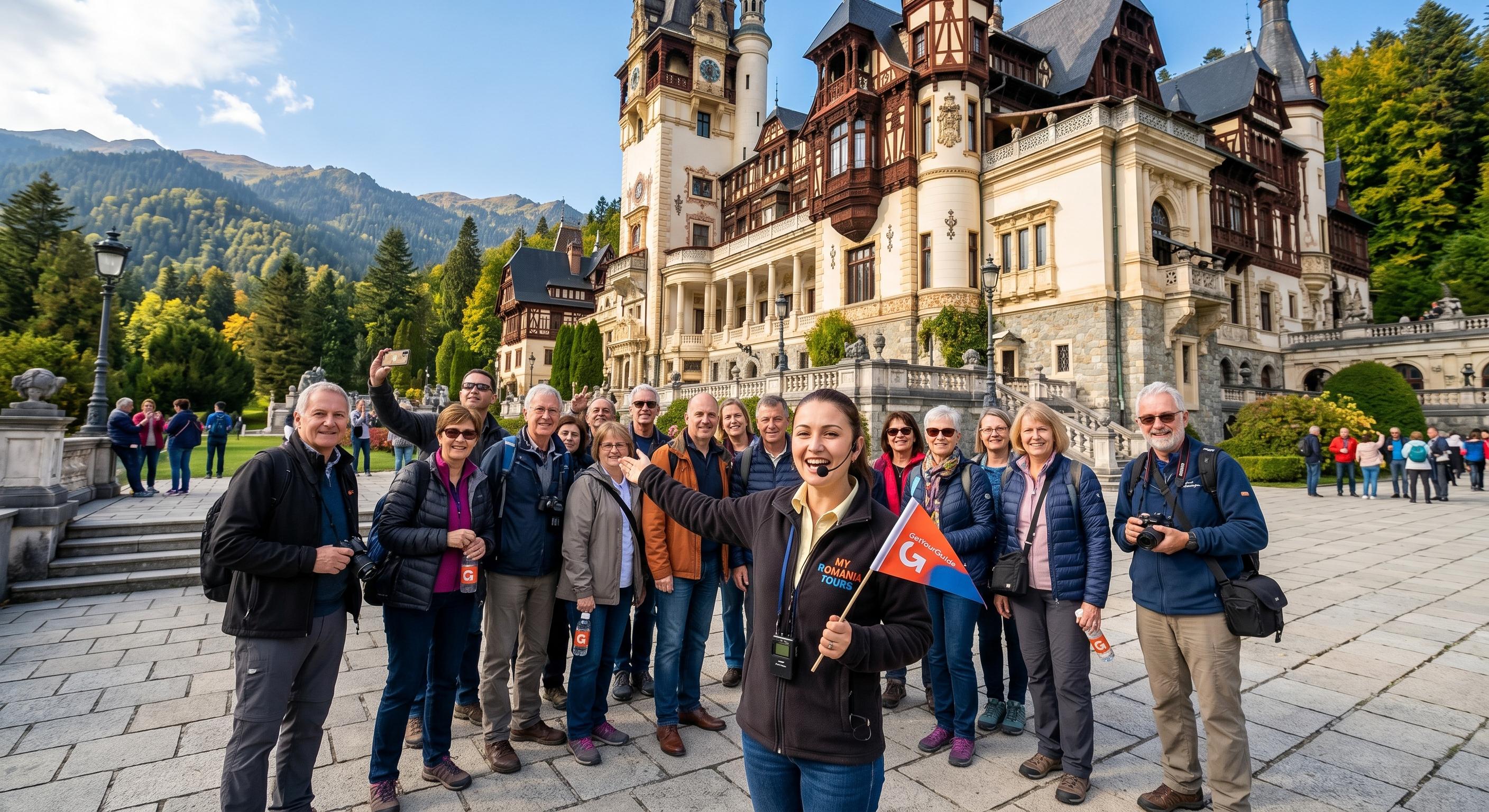
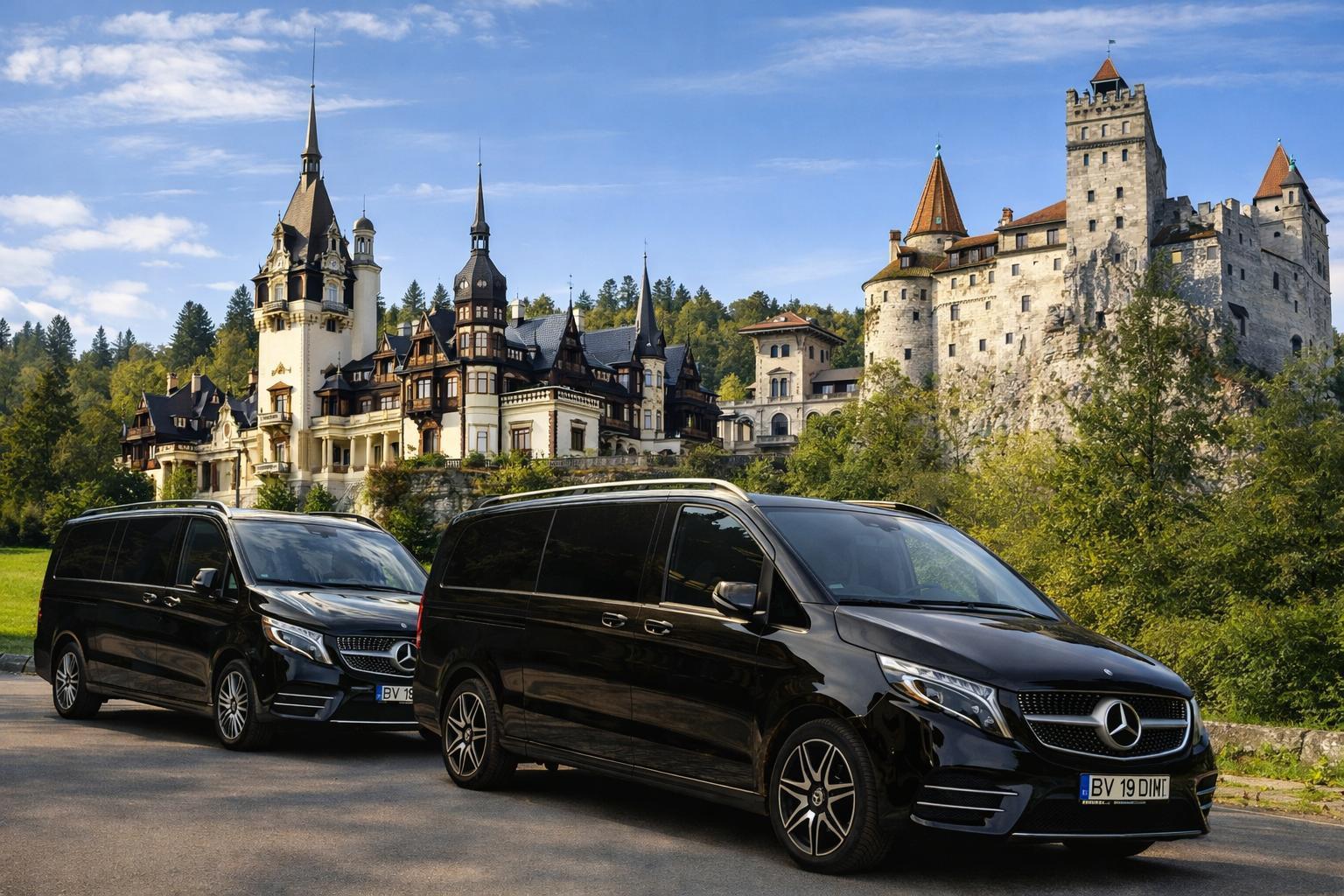
Dracula's Castle, Peleș & Brașov Day Trip from Bucharest
- Expert local guide
- Small group
- Skip-the-line access
- Free cancellation
Peles Castle Tickets — Reserved Entry & Guided Tours in Sinaia
Carpathian pines above the terrace, walnut and stained glass below.
Compare fares, pick the fit — all bookings are mobile-voucher and eligible for free cancellation where shown.
12 hr
12 hr
| Experience | Duration | Rating | Pickup | Skip-the-line | Guide | Small group | Price | |
|---|---|---|---|---|---|---|---|---|
|
Guided Experience
Most popular
Dracula's Castle, Peleș & Brașov Day Trip from Bucharest
|
12 hr | ★ 4.6 | ✓ | ✓ | ✓ | ✓ | €8 | Book → |
|
Guided Experience
Bucharest: Dracula's Castle and Peleș Castle Day Trip
|
12 hr | ★ 4.6 | ✓ | ✓ | ✓ | ✓ | €8 | Book → |
|
Guided Experience
Bran, Peleș & Cantacuzino Castles Day Trip from Brașov
|
Full day | ★ 4.8 | ✓ | ✓ | ✓ | ✓ | €57 | Book → |
Worth it for anyone who values interiors
Peles Castle Tickets cost 100 RON for a standard adult on the main castle route, and the honest math favours the visitor. That fee buys guided access to the ground-floor state rooms of a Neo-Renaissance royal residence built for King Carol I — the Hall of Honour with its carved walnut panelling and retractable stained-glass ceiling, the Moorish salon, the Turkish room, the armoury holding roughly 4,000 pieces, and a theatre decorated to Gustav Klimt's designs. Castelul Peleș admits limited numbers per slot, so you are paying partly for a controlled group size rather than a free-for-all. It pays off for anyone who cares about woodwork, tapestry and applied arts; it pays off less for travellers who mainly want exteriors and Carpathian scenery, since the facade and gardens cost nothing to admire. Sinaia landmarks are cheap; the interior is the product here. Peles Castle Tickets tickets are the one line in a Prahova day trip worth the spend.
Bottom line: Pay the 100 RON — a Peles Castle Tickets tour delivers more finished interior per leu than almost any Carpathian alternative, provided you book a Peles Castle Tickets tours slot on a day the castle is open.
Buy Peles Castle Tickets first and add Pelisor only if you have a full morning free, since the smaller residence runs its own separate ticketing and a tighter daily cap. Most travelers comparing a Sinaia castle tour end up choosing Peles alone, while history-minded visitors add Pelisor for contrast.
|
Top pick Peles Castle |
Pelisor Castle | |
|---|---|---|
| Architectural style | German Neo-Renaissance, turrets and timber | Art Nouveau, gold leaf and Celtic motifs |
| Interior atmosphere | Grand, ornate, heavily carved wood | Brighter, intimate, art-collector's home |
| Ticket and time-slot system | Timed entry, separate online booking | Separate timed entry, own ticket counter |
| Typical visit duration | 45-60 minutes guided tour | 30-45 minutes guided tour |
| Crowd levels | Busier, 2,000 visitors/day cap | Quieter, 1,500 visitors/day cap |
| Price | 100 RON standard adult ticket | 30 RON standard adult ticket |
| Best for | First-time visitors, architecture fans | Art Nouveau fans, Queen Marie's story |
| See tickets & prices |
Verdict: Peles Castle delivers the grander, more essential Sinaia landmark, while Pelisor rewards the extra hour with a quieter, more personal look at royal life, so pair them only if your schedule allows both timed slots.
Hand-picked experiences loved by thousands of travelers
8 hours
Free Cancellation
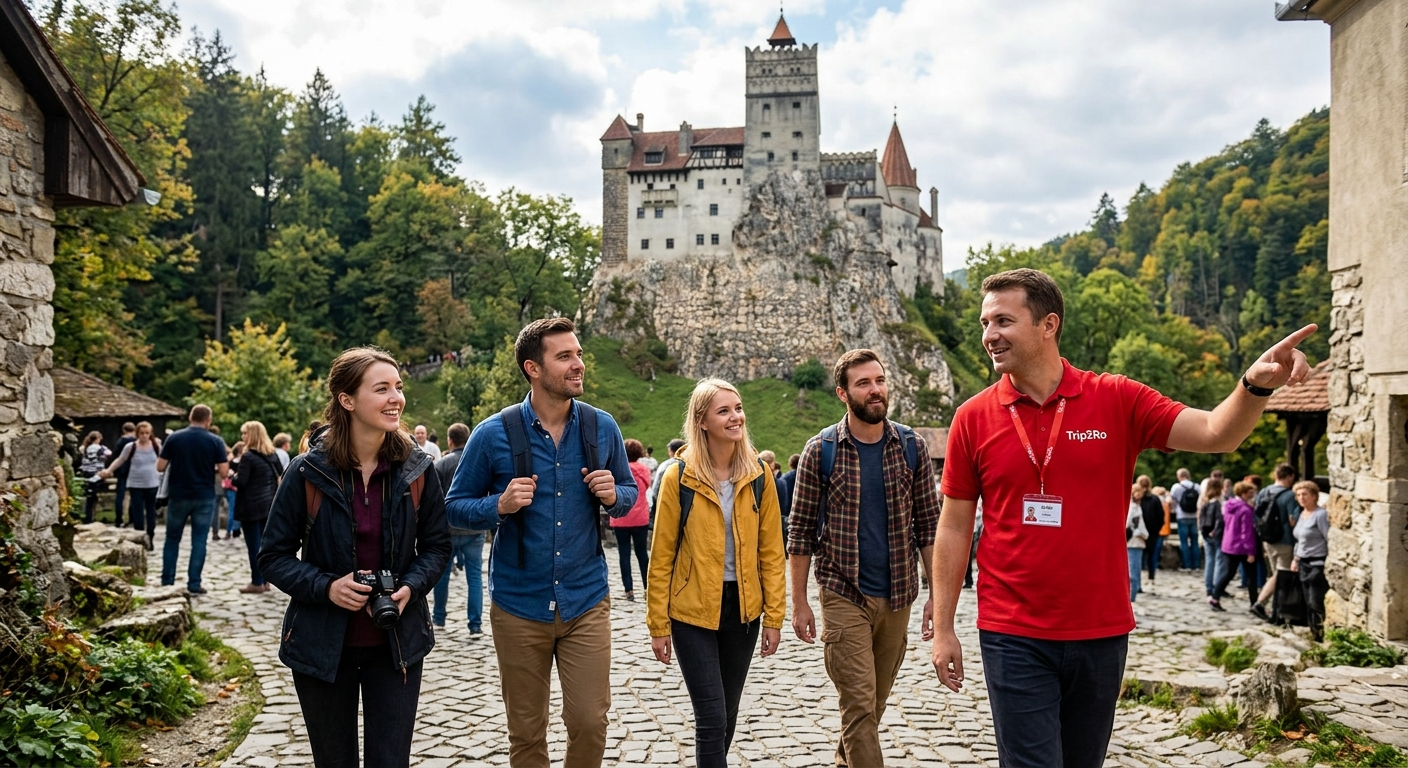
Skip-the-line day tour to three Transylvanian icons, capped at 8 guests for a personal feel.
8 hours
Free Cancellation
A full-day luxury van journey to three iconic Transylvanian castles, with skip-the-line access and an expert guide.
8 hours
Free Cancellation
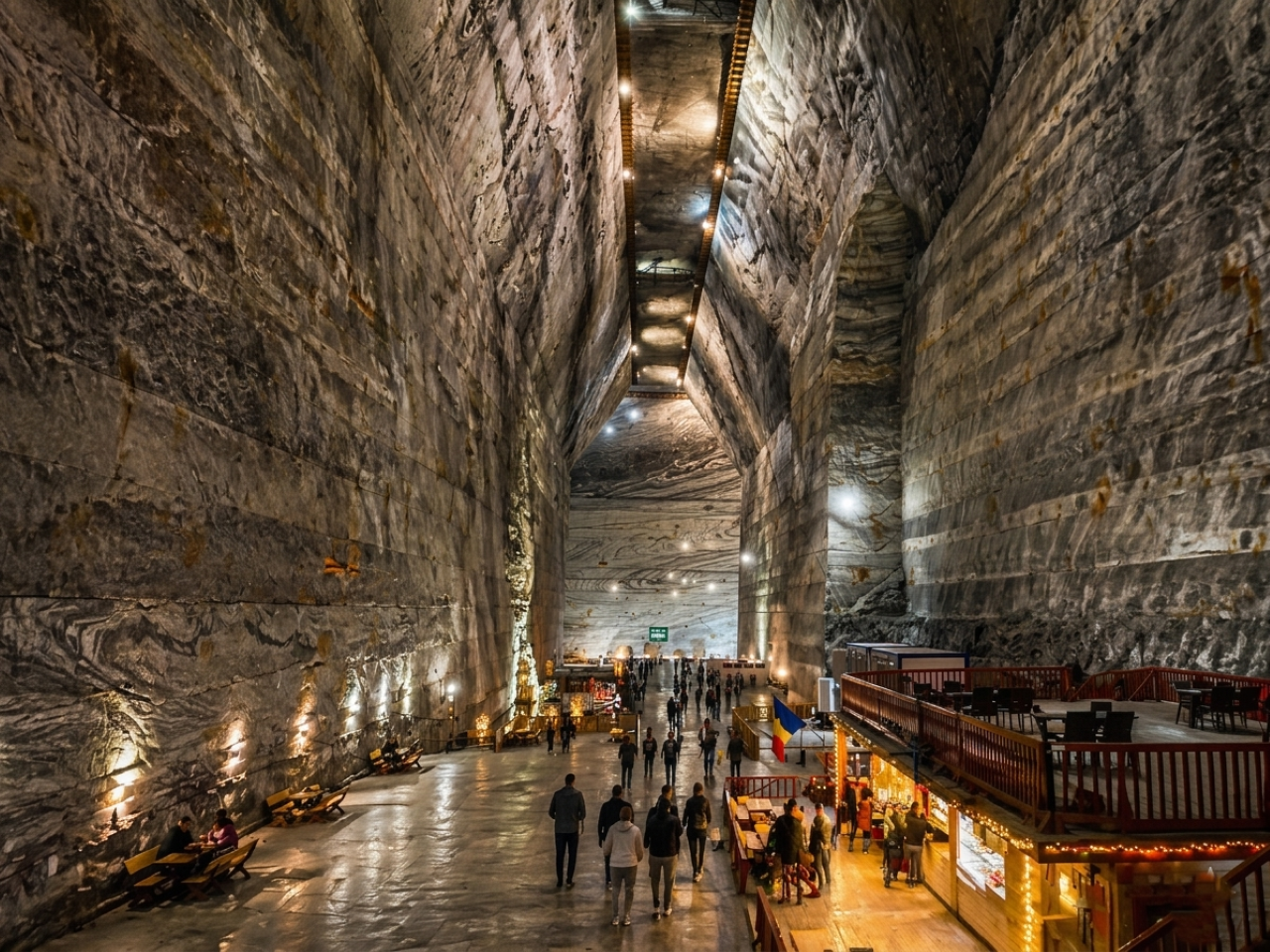
A relaxed day trip pairing a royal fairytale castle with Europe's vast underground salt mines.
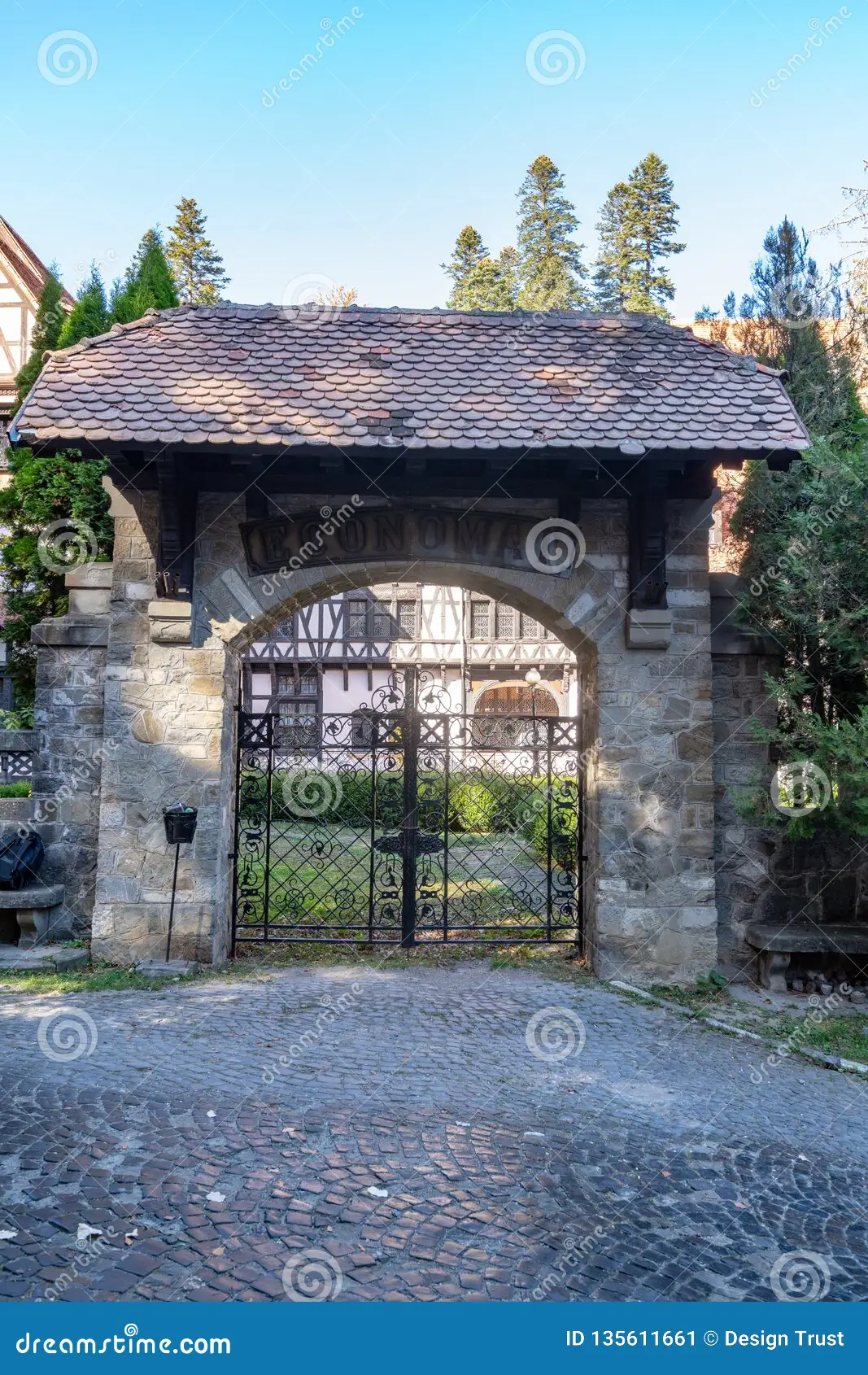
Enter through the main gate and cross the courtyard to the ticket office before the interior door
Purchase the standard admission ticket and, if wanted, the separate photography permit at the counter
Move through the ground floor state rooms and, on longer tours, the first-floor royal apartments
Use the facilities to the right of the ticket office, which double as the interior exit point
Walk the gardens and terraces for exterior views of the towers against the Carpathian backdrop
Continue to the smaller royal residence within the same estate, a short walk away
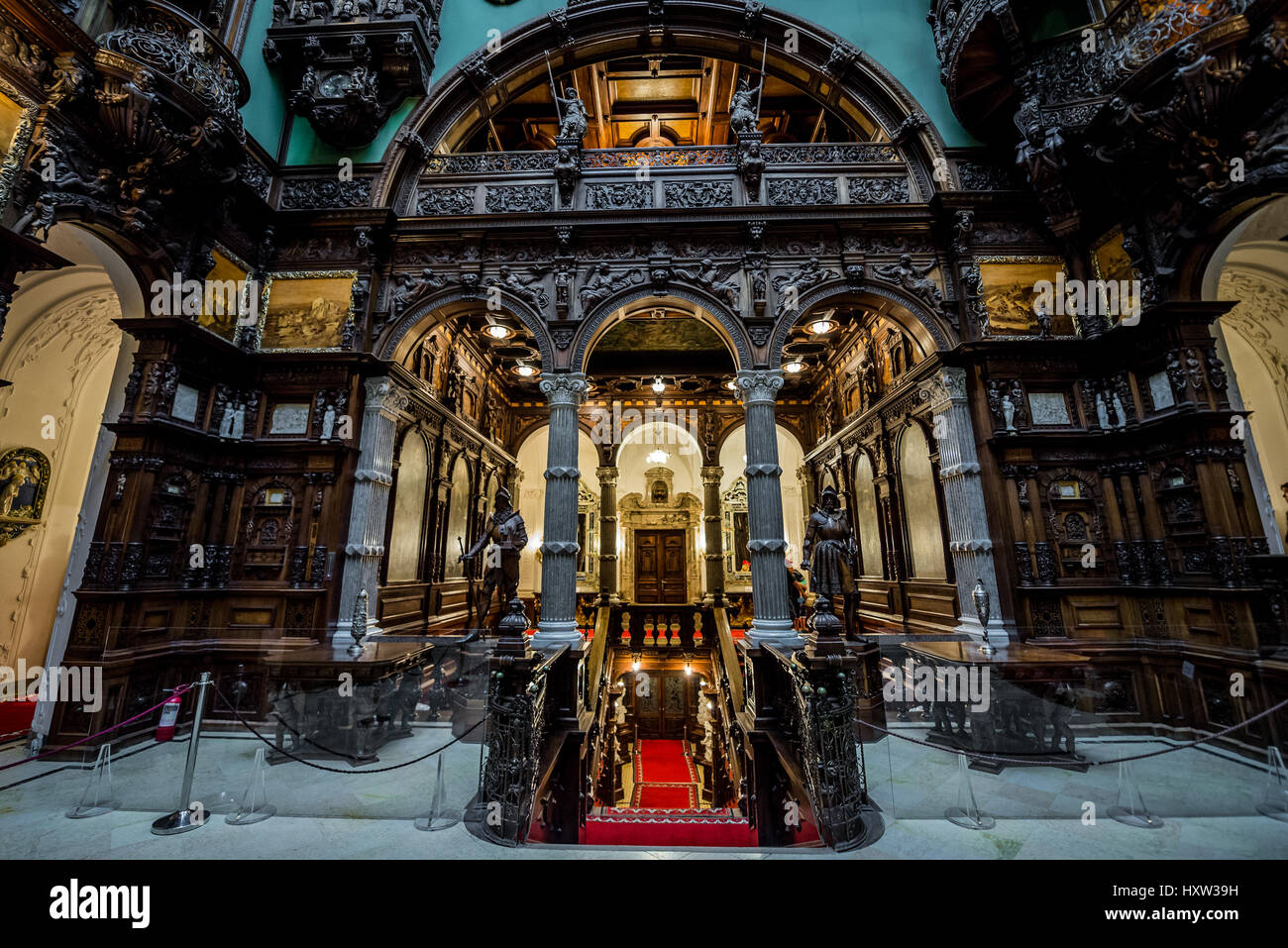
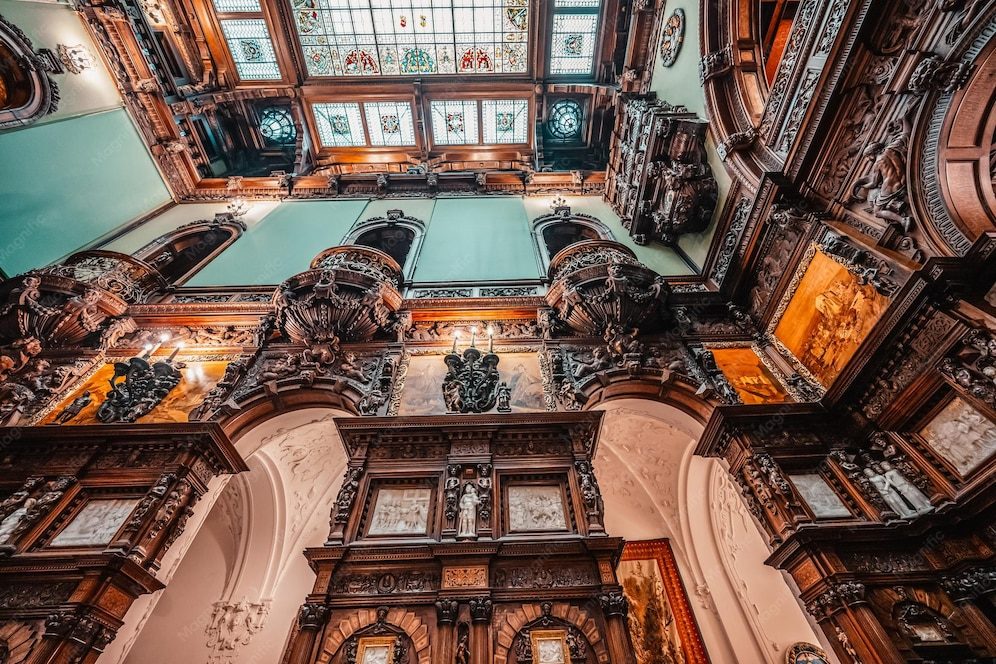
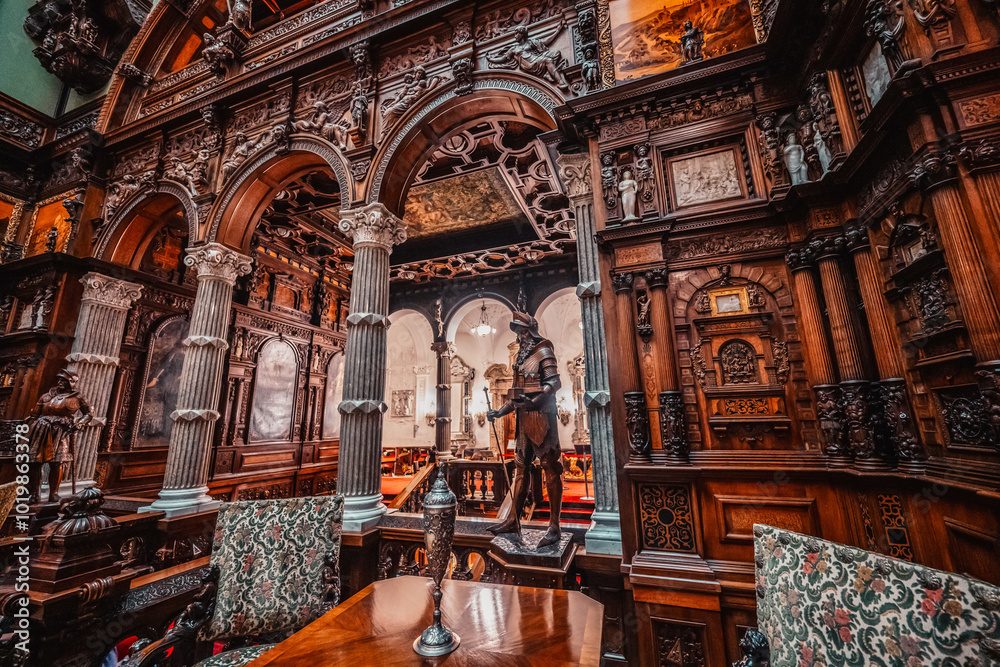
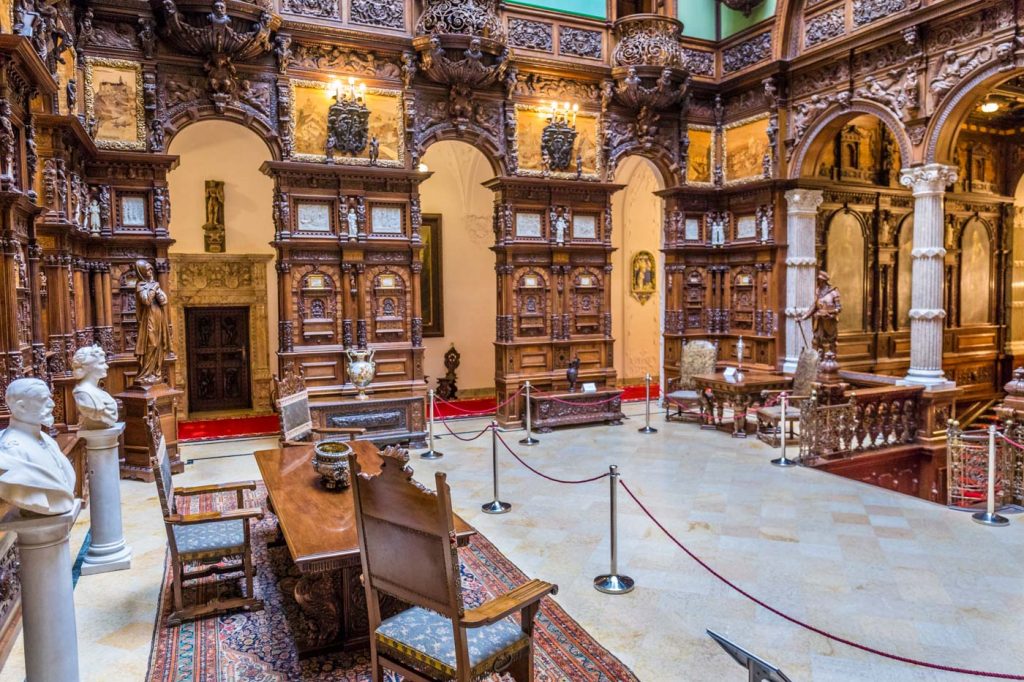
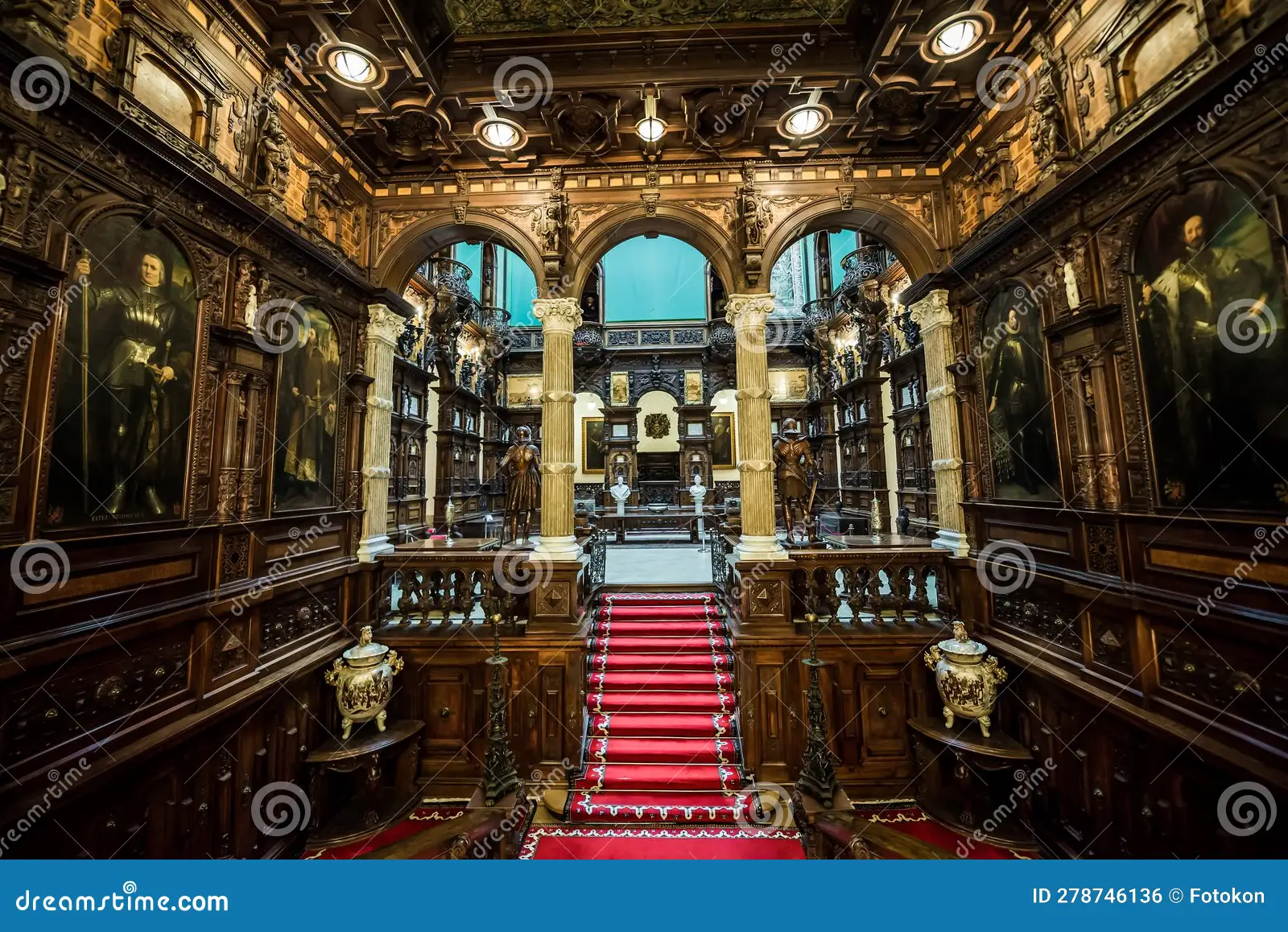
The grand entrance hall was completed under architect Karel Liman in 1911 and rises through three levels, finished in carved European walnut with retractable stained-glass panels overhead. It sets the tone for the rest of the tour and is the first major state room visitors pass through after the ticket gate.
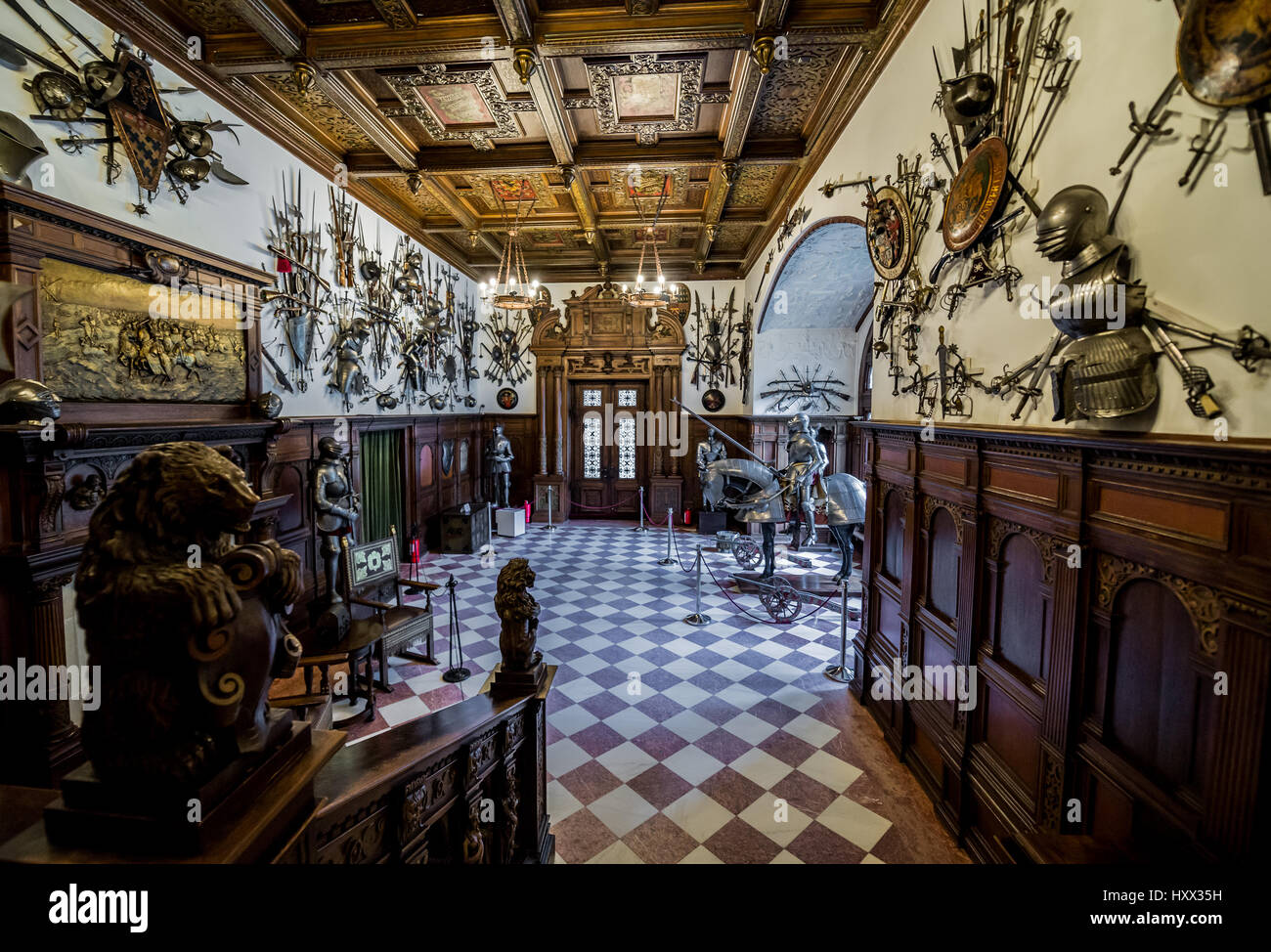
Also known as the Arsenal, this hall holds more than 1,600 pieces of European and Eastern armor and weaponry, including a tournament suit made in Milan around 1870 for King Carol I. Full suits of armor are arranged on mannequins in a mock battle formation along the walls.
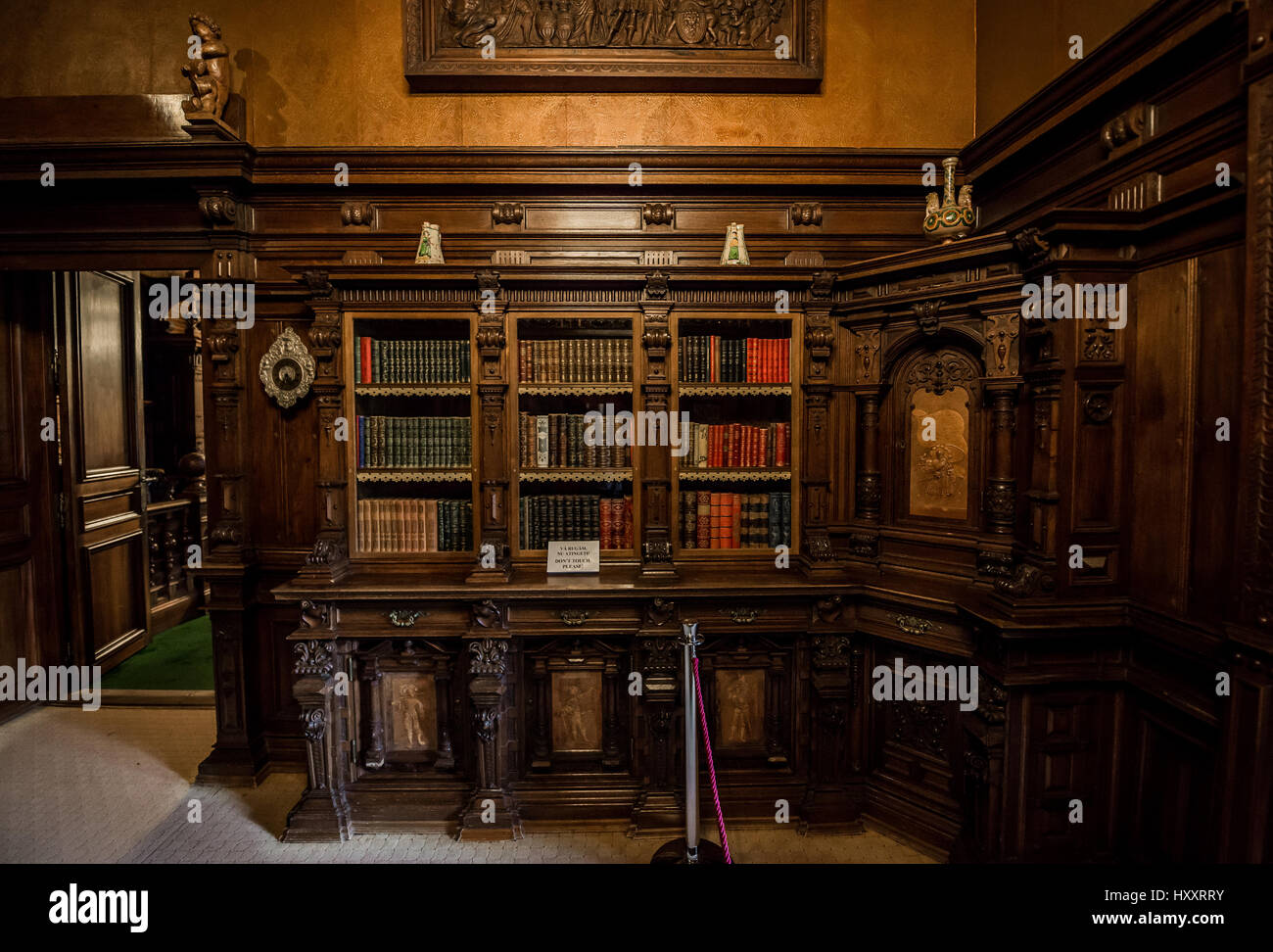
The library holds tens of thousands of volumes and features a concealed door built into a bookshelf, which King Carol I once used to move discreetly between rooms. Leather-bound and gold-embossed volumes line the shelves from floor to ceiling.
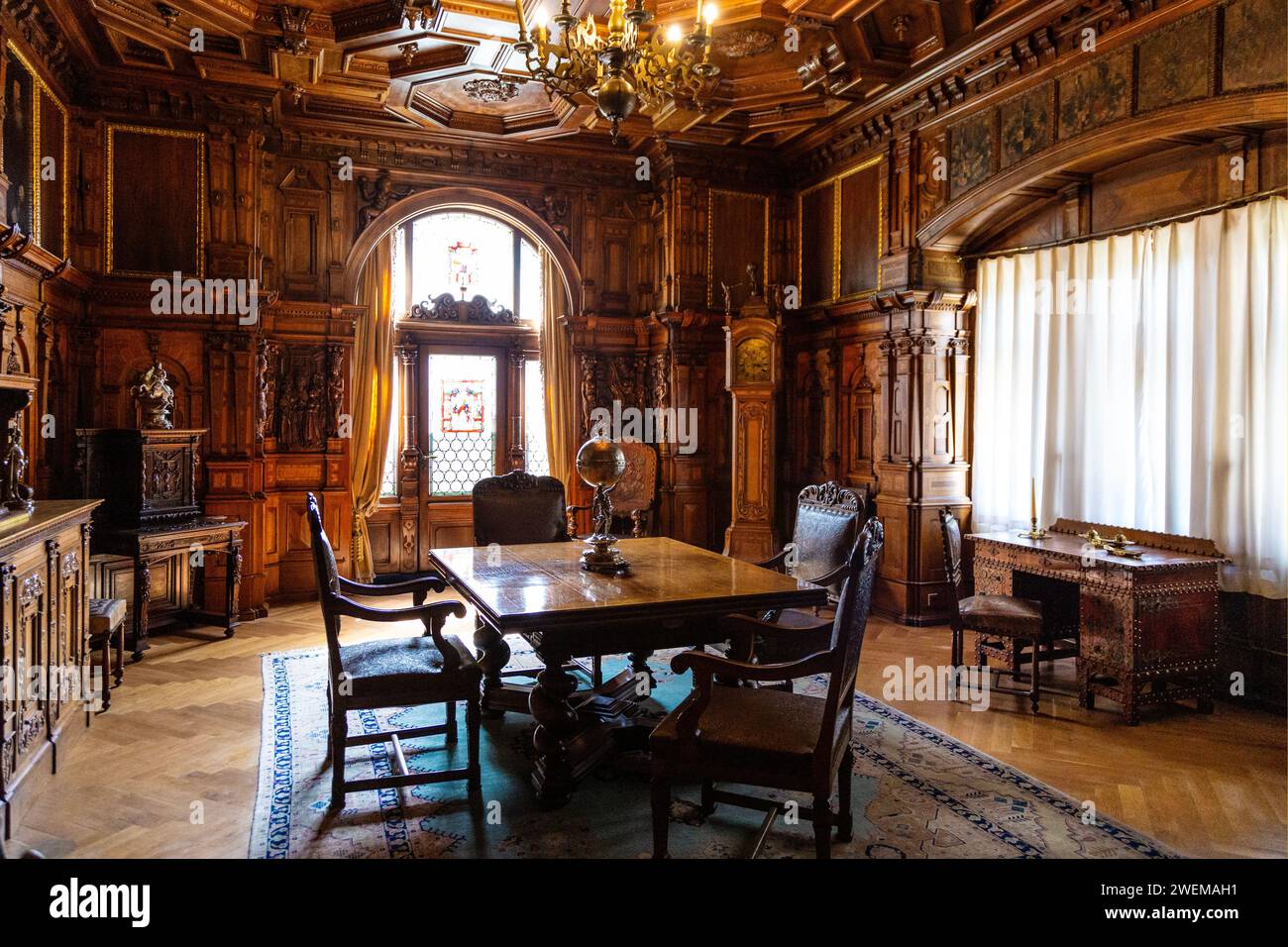
Modeled partly on a civic hall in Lucerne, Switzerland, this room served as the working meeting space where King Carol I held government sessions during the royal family's summer stays. Its style contrasts with the more ceremonial halls elsewhere in the castle.
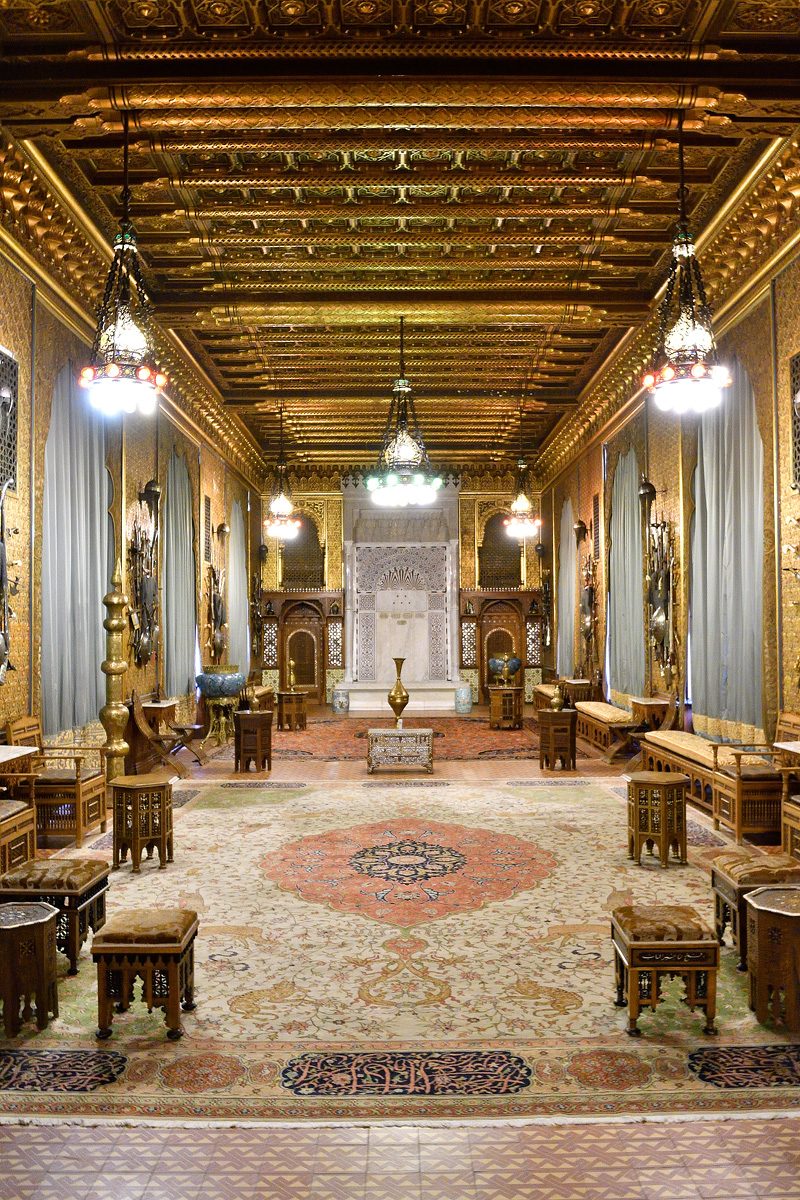
Reputed to be King Carol I's favorite room, it is decorated with intricate silk embroidery and patterned tilework drawing on North African and Ottoman design traditions. It sits along the ground-floor route near the Turkish Salon.
A small 60-seat theatre finished in a Louis XIV French classicism style, notable as the site of an early Klimt-related decorative commission and among the first spaces in Romania fitted for film screening. It closes out the ground-floor portion of most standard tours.
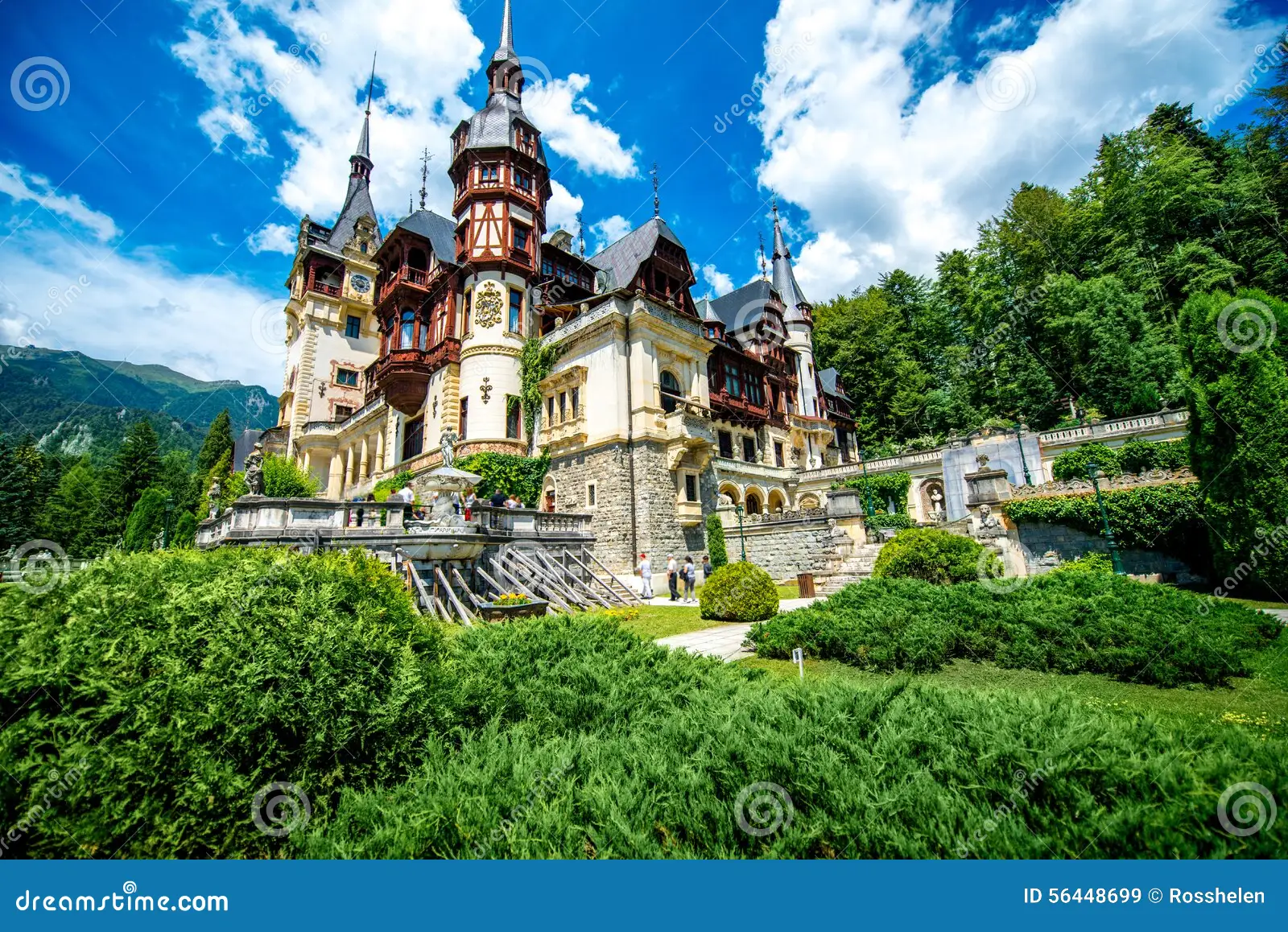
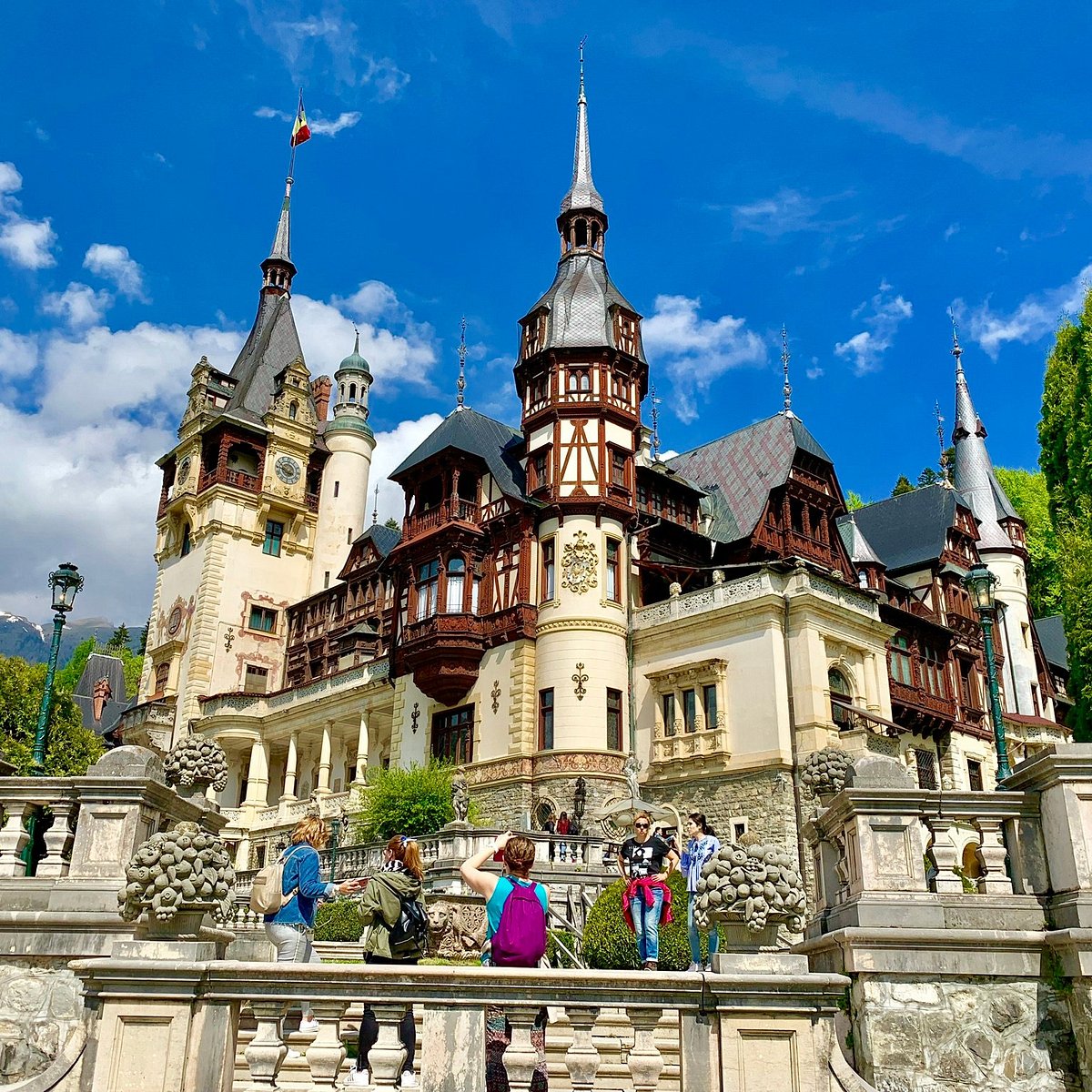
You come up Aleea Peleșului on foot, through pine shade, and the roofline appears in pieces — turrets, then gables, then the whole terrace at once. Aim for the 09:15 opening on a Thursday through Sunday, or 10:00 on Wednesday; the first entry slot has the thinnest crowds before the coaches from Bucharest unload.
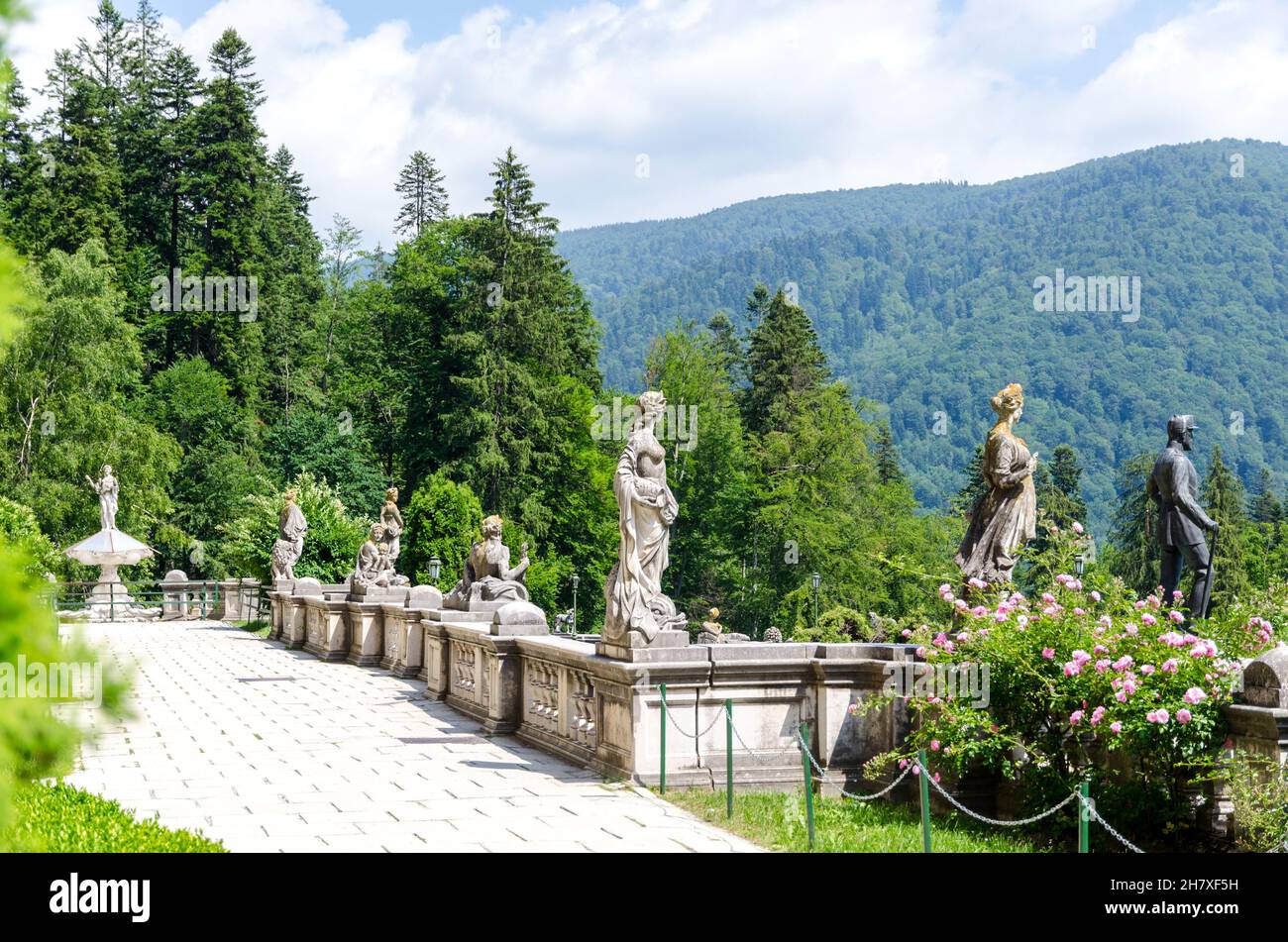
Your Peles Castle Tickets tour begins outdoors, on the Italian terraces, where marble figures look down toward the valley and the queue is still short enough to photograph past.
Inside, you pull protective covers over your shoes and the floor goes quiet. You follow the guide into the Hall of Honour first and your eye travels upward, four storeys of carved walnut, until the stained-glass ceiling stops it. You pause in the Armoury among ranks of plate armour and a mounted knight. You lean toward the Turkish Salon without crossing the rope. You count the Murano lamps in the Music Room, then step through the Florentine Room, where gilt catches the window light.
Back outside, you take the fountain path down toward Pelișor and the monastery, boots on gravel, the brook audible. The mountain air is cool at 800 metres, even in July.
All the details about your upcoming adventure in one place
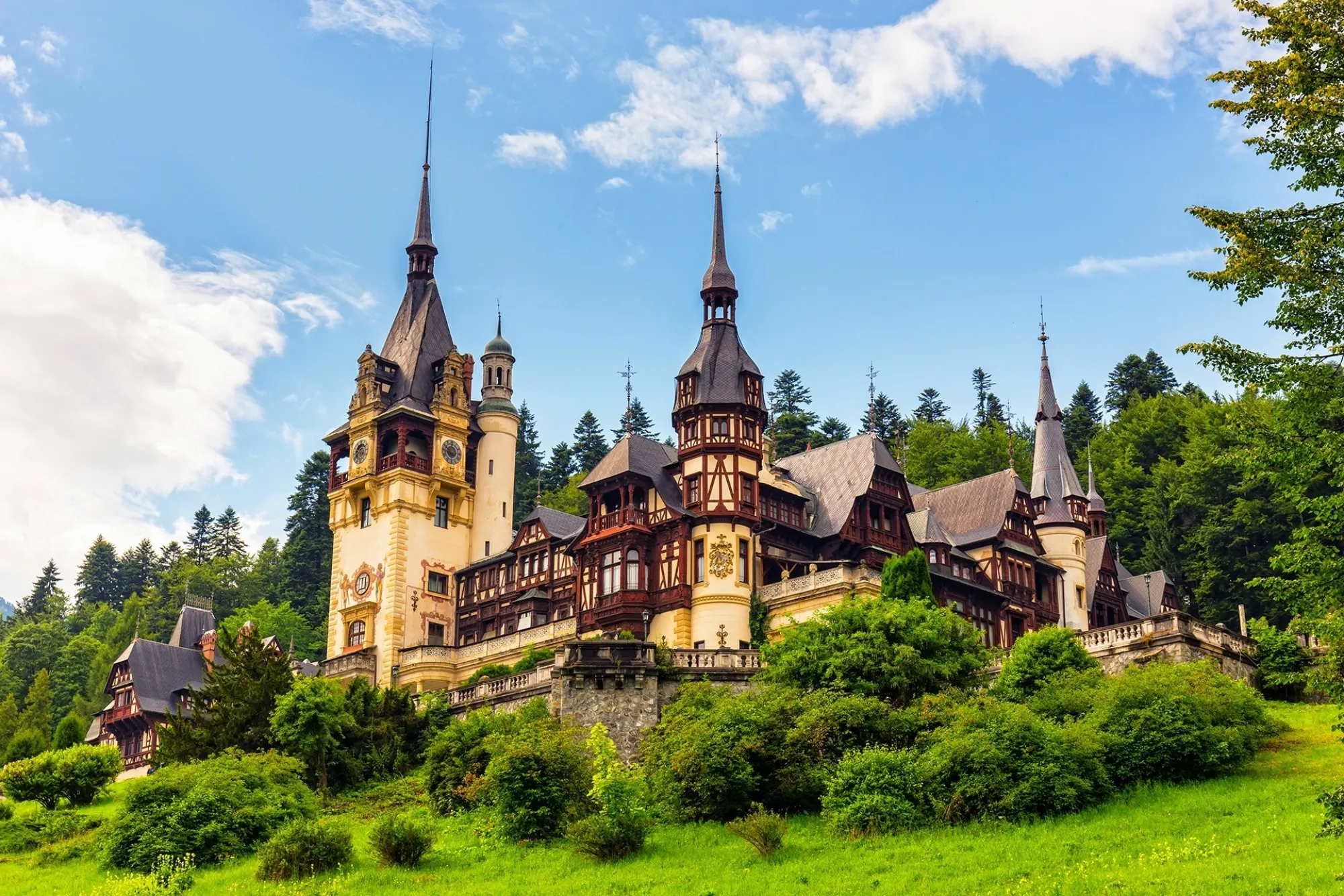
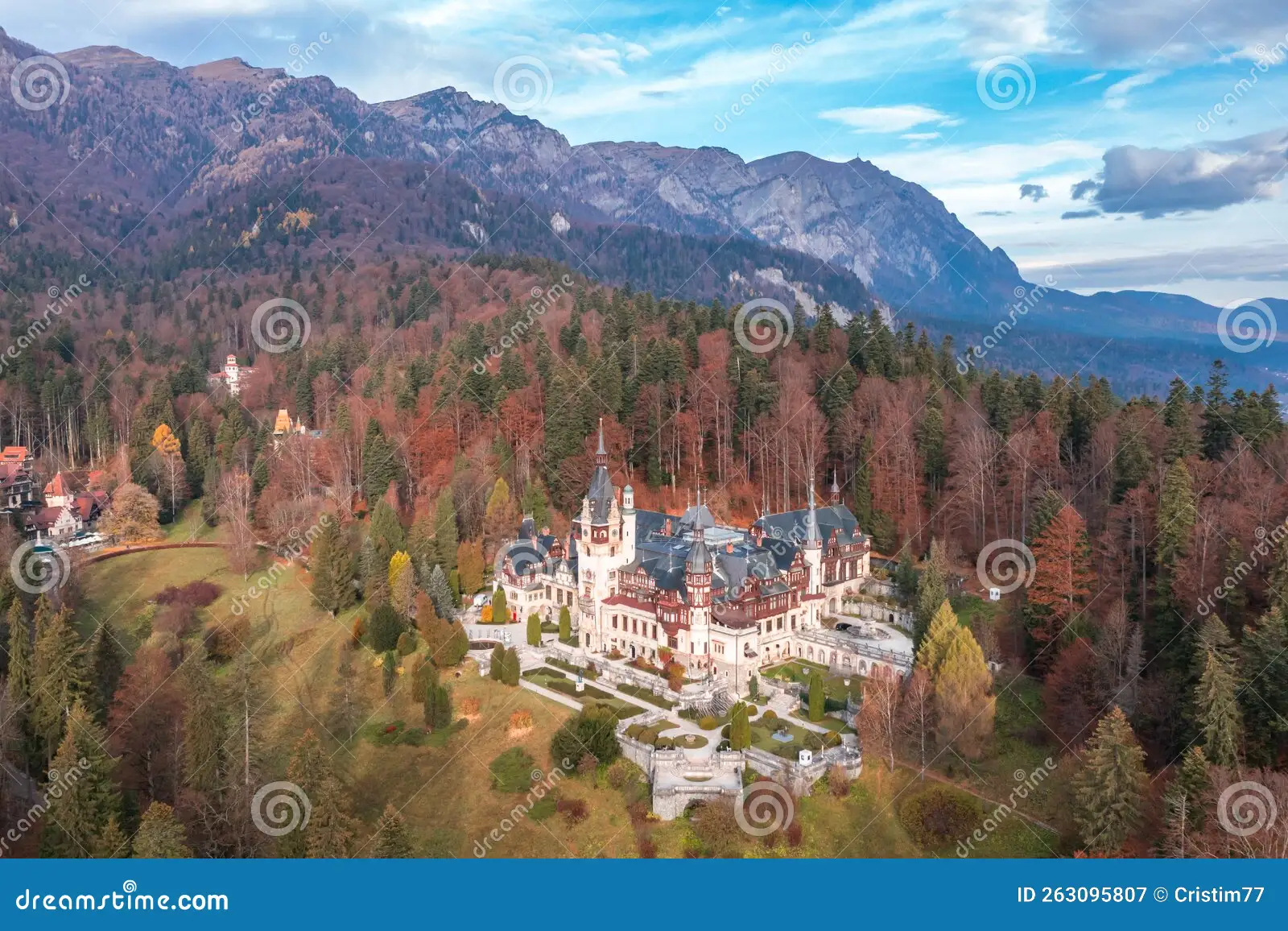
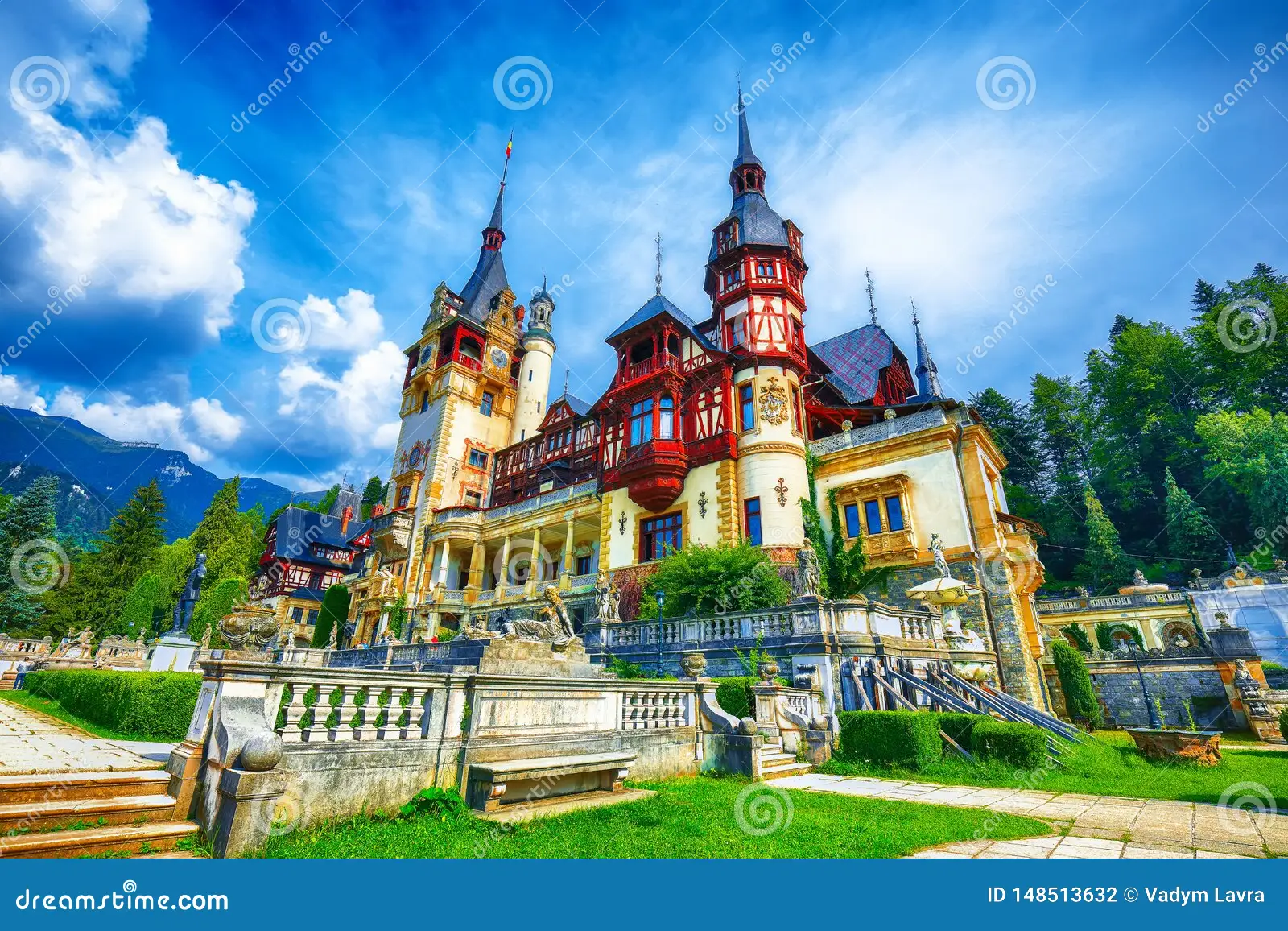
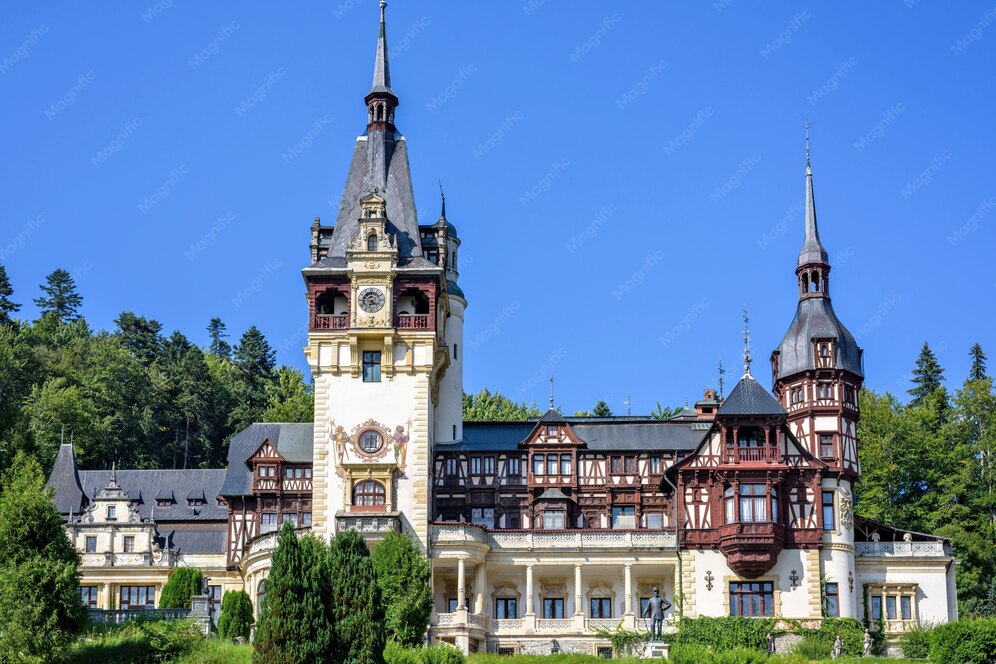
Built between 1873 and 1914 as the summer residence of King Carol I, this Neo-Renaissance palace sits above Sinaia on the wooded slopes of the Bucegi Mountains. Peles Castle Tickets tours lead through the Honour Hall with its carved walnut panelling and retractable stained-glass ceiling, the Moorish Salon, the Florentine Room and an armoury holding roughly 4,000 European and Oriental pieces. Castelul Peles remains one of Romania's best-preserved royal interiors, and Sinaia landmarks like the neighbouring monastery sit within easy walking distance.
Peleș was the first castle in Europe fully powered by its own electrical plant, lit by a hydroelectric turbine on the Peleș brook while much of the continent still burned gas.
King Carol I laid the foundation stone in 1875; the residence was inaugurated in 1883, built by a workforce drawn from a dozen nations under architects Johannes Schultz and later Karel Liman. The mountain site at Aleea Peleșului 2, Sinaia, was chosen for its resemblance to the Rhine valleys of the king's Hohenzollern childhood.
What survives is less a fortress than a manifesto. The German Neo-Renaissance timber framing, the Carrara marble, the tiered galleries — all argued that a young Romanian kingdom belonged among the courts of Europe. Peles Castle Tickets grant access to that argument in its original form: the state rooms were never gutted, never rebuilt after a fire, never emptied by auction. Nationalised in 1948 and returned to the royal family in 2007, the castle reopened as a museum with its inventory largely intact.
The collections justify the slow pace inside. Roughly 4,000 weapons and suits of armour fill the Armoury, among them Ottoman, Persian and European pieces spanning four centuries. The Hall of Honour rises through several storeys under a retractable stained-glass ceiling, its walls faced in carved walnut and alabaster. The Florentine Room, the Turkish Salon hung with Bursa silk, the Moorish Room with its Cairo fountain, the Theatre Hall decorated by the workshop of Gustav Klimt and Franz Matsch — each was executed by specialists brought in for that single space. Murano glass, Cordoba leather, Meissen and Sèvres porcelain, hand-painted ceiling panels: the density of craft per square metre has few equals in the Carpathians.
Today the site anchors the Prahova Valley circuit alongside the smaller Pelișor and the Sinaia Monastery a short walk downhill. Visitors arriving on Peles Castle Tickets tours find a working conservation museum rather than a ruin: humidity-controlled rooms, protective footwear, and guides who move groups along fixed routes through the ground floor. Opening runs Wednesday 10:00–17:00 and Thursday through Sunday 09:15–17:00, with Monday and Tuesday closed for conservation work. The standard adult ticket for the main castle is 100 RON per person. Details, exhibition changes and seasonal notices are published by the museum at peles.ro, with enquiries taken on +40244310918. For most travellers crossing the Bucegi foothills, Peles Castle Tickets remain the reason the detour to Sinaia exists at all.
Peleș is less a fortress than a manifesto — a young kingdom arguing, in walnut and stained glass, that it belonged among the courts of Europe.
Comfortable, flat walking shoes are strongly recommended since the interior floors are original 19th-century wood and can be slippery, and visitors are required to wear the disposable plastic shoe covers provided at the entrance. Sinaia sits at roughly 1,000 metres altitude in the Carpathians, so layers are useful even in summer as mountain weather shifts quickly.
Bags are subject to a visual check at the entrance gate before you cross the main courtyard to the ticket door, and large backpacks, suitcases, and hiking poles must be left at the on-site cloakroom. Keep valuables and cameras in a small daypack, since storage lockers are limited during peak summer hours.
Personal photography inside the castle requires a separate photo permit purchased at the ticket counter before entry; it cannot be bought once inside. Flash photography is prohibited throughout to protect the woodwork, textiles, and stained glass, and any commercial or professional filming needs prior written approval from the museum administration.
Children are welcome on the standard tour, and themed rooms such as the Turkish Salon and Moorish Room tend to hold younger visitors' attention. Strollers are difficult to manage on the castle's stairs and shoe-cover floors, so a baby carrier is more practical than a pram for the interior portion.
The ground floor of the castle can be visited step-free and is the section covered on the standard tour route, but the upper floors and the approach paths through the gardens involve stairs and uneven cobblestones with only limited elevator coverage. Wheelchair users should contact the ticket office in advance to confirm the current accessible route, since the historic layout restricts full access to all 160 rooms.
Eating and drinking are not permitted inside any of the castle's interior rooms or galleries, including bottled water. Visitors may finish drinks and snacks outside in the courtyard or castle grounds before joining the queue for the ticketed entrance.
Weekly closure day
Weekly closure day
Later opening than rest of week
Busiest day of the week
Hours vary by day
Closed Mon–Tue, 10:00–17:00 Wed, 09:15–17:00 Thu–Sun
Address
Aleea Peleșului 2, Sinaia 106100, Prahova County, Romania
Wheelchair access
Ground floor step-free; upper floors limited, no full lift coverage
Best arrival window
09:15–10:30, first entry slot before tour groups arrive
Bag policy
Large backpacks and suitcases must be left at the cloakroom near the entrance
Public transport · ~1h30 (train) + 25–35 min (walk/bus) · Train ~35–45 RON second class
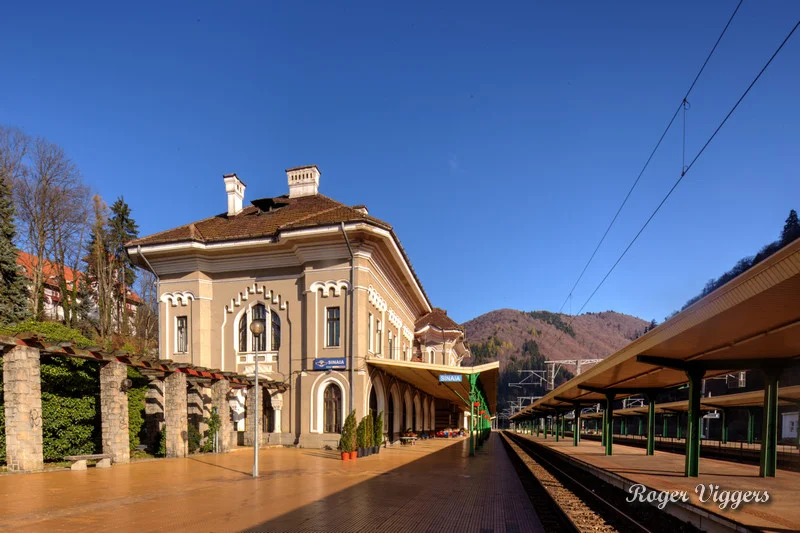
Take an InterCity or InterRegio train from Bucharest's Gara de Nord to Sinaia station, a journey of roughly 75–90 minutes, then walk uphill through the town park or take local bus T1/T3 toward the castle.
Car · ~2h from Bucharest · Paid parking on-site
Drive from Bucharest via the DN1/E60 road, about a two-hour trip depending on traffic, and use one of the paid parking areas near the castle grounds or by the train station.
Walk · 25–35 min uphill · Free
From Sinaia railway station, follow the signposted footpath through the town park uphill to the castle gate.
Taxi · ~10 min · Approx. 15–20 RON
Taxis and ride-hailing apps operate from Sinaia station and the town center directly to the castle gate.
Standard admission tickets for the main castle at 100 RON per person are generally non-refundable once issued, but timed-entry online bookings can typically be rescheduled if changed at least 24 hours before the visit slot. Refunds for weather-related or unexpected museum closures are handled at the ticket office on the day.
Recommended time
2-3 hours
A visit with your Peles Castle Tickets typically runs 2 to 3 hours for the guided interior circuit plus a walk through the courtyard and gardens; add 30-45 minutes if you're also touring Pelisor next door. Arriving in the 09:15-10:30 window matters because the first entry slot moves through the ground floor rooms before coach parties stack up, while queues that form later in the morning can add 20-30 minutes just to reach the ticket desk. Budget the shorter end of the range on a quiet weekday and the fuller half-day version if you plan to linger in the gardens or shoot photos without other visitors in frame.
Crowd levels through the day
Weather · crowds · average price — dots go green to amber to red as each metric rises.
March to May brings mild temperatures and thinner crowds than summer, with the surrounding forest turning green through April and May. Weekday mornings in this window are notably quieter than weekends.
June to August is peak season with warm days around 20–25°C but the heaviest tour-group traffic, especially on weekends and Romanian public holidays. Early opening slots help avoid the midday crush.
September and October offer clear mountain views and cooler air, with the Bucegi forest turning color in October, making it one of the more comfortable periods to combine the castle visit with a walk through the grounds.
November brings the castle's annual cleaning closure, and December through February sees reduced visitor numbers but colder conditions at 1,000 metres altitude; snow can affect the outdoor paths and gardens.
Purchase the separate photography permit at the ticket counter before entering, since it cannot be bought once inside and flash use is never allowed.
Aleea Peleșului 2, Sinaia 106100, Romania
Ticket queue forms here; entrance to the courtyard
Get directions
Piața Gării, Sinaia, Romania
Starting point for the uphill walk or taxi to the castle
Get directionsNear central Sinaia
Local bus T1/T3 drop-off, roughly 10-minute walk to the castle
Get directionsKing Carol I first saw the Peleș valley in 1866, the year he arrived in Romania. He bought the surrounding land in 1872. The foundation stone was laid on 22 August 1873, on a site chosen for its spring water and the shelter of the Bucegi Mountains. Construction ran slow. Marshy ground had to be drained before masonry could begin, and the first architect, Wilhelm von Doderer, was replaced in 1876 by his assistant Johannes Schultz. Schultz delivered the German Neo-Renaissance silhouette that visitors holding Peles Castle Tickets still meet at the terrace: half-timbered gables, steep roofs, and a facade quoting Bavarian and Saxon models rather than anything Wallachian. The castle was inaugurated on 7 October 1883. Carol I used Peleș as a summer residence for four decades, and it doubled as a working seat of state. Electricity arrived in 1884 from the castle's own hydroelectric plant on the Peleș stream, making it among the first electrified castles in Europe. Central heating and a central vacuum system followed. A retractable glass ceiling was fitted over the Hall of Honour. Between 1893 and 1914 the architect Karel Liman enlarged the building to its present 160 rooms, adding the central tower that rises to 66 metres. Carol I died here on 10 October 1914. His nephew Ferdinand and Queen Marie kept the estate, though Marie preferred the smaller Pelișor nearby. The 20th century nearly undid it. The communist state seized the property in 1948, opened it as a museum in 1953, then closed it to the public in 1975 on Nicolae Ceaușescu's order; the rooms sat shuttered for over a decade. Reopened in 1990, the castle was restituted to King Michael I in 2007 and remains a museum under state administration. Peles Castle Tickets tickets today grant access to interiors still holding the original armoury of roughly 4,000 pieces, Murano glass, and Cordoba leather. Peles Castle Tickets tours and any Sinaia castle tour cover the same ground floor circuit; a Peles Castle Tickets tour of the upper levels is sold separately. Bilete Castelul Peleș, as Romanians call them, cost 100 RON for a standard adult.
Carol I purchases the land in the Peleș valley near Sinaia.
The foundation stone is laid on 22 August after the marshy ground is drained.
Johannes Schultz replaces Wilhelm von Doderer and sets the Neo-Renaissance design.
The castle is inaugurated on 7 October as Carol I's summer residence.
A hydroelectric plant on the Peleș stream makes the castle self-supplying in electricity.
Karel Liman enlarges the building to 160 rooms and raises the 66-metre central tower.
The communist state seizes the estate from the royal family.
Ceaușescu closes the castle to visitors until it reopens after the revolution.
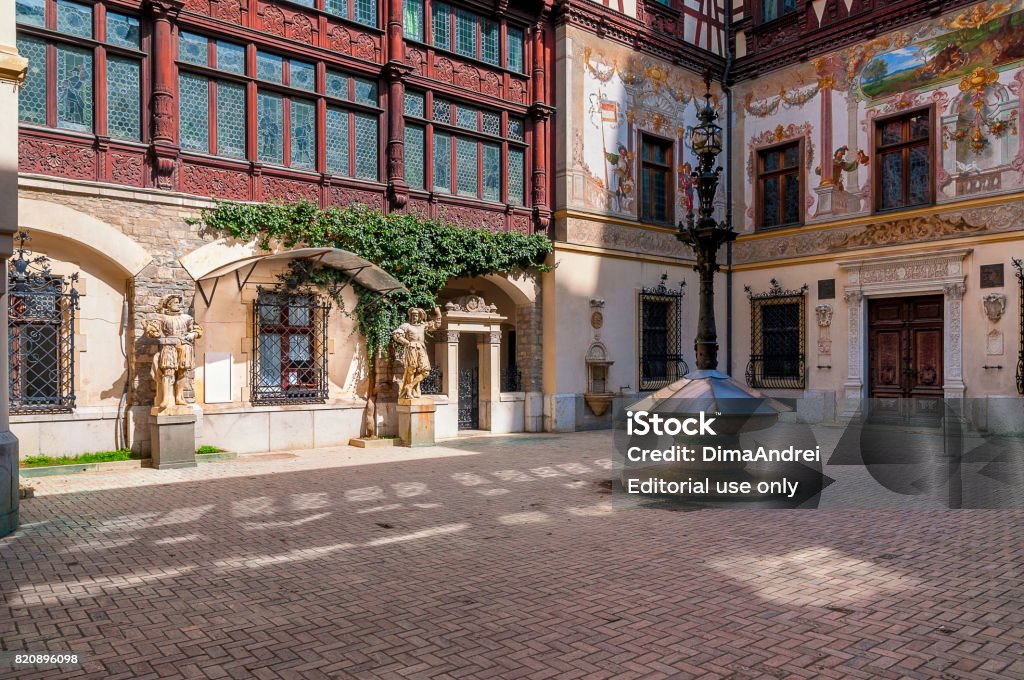
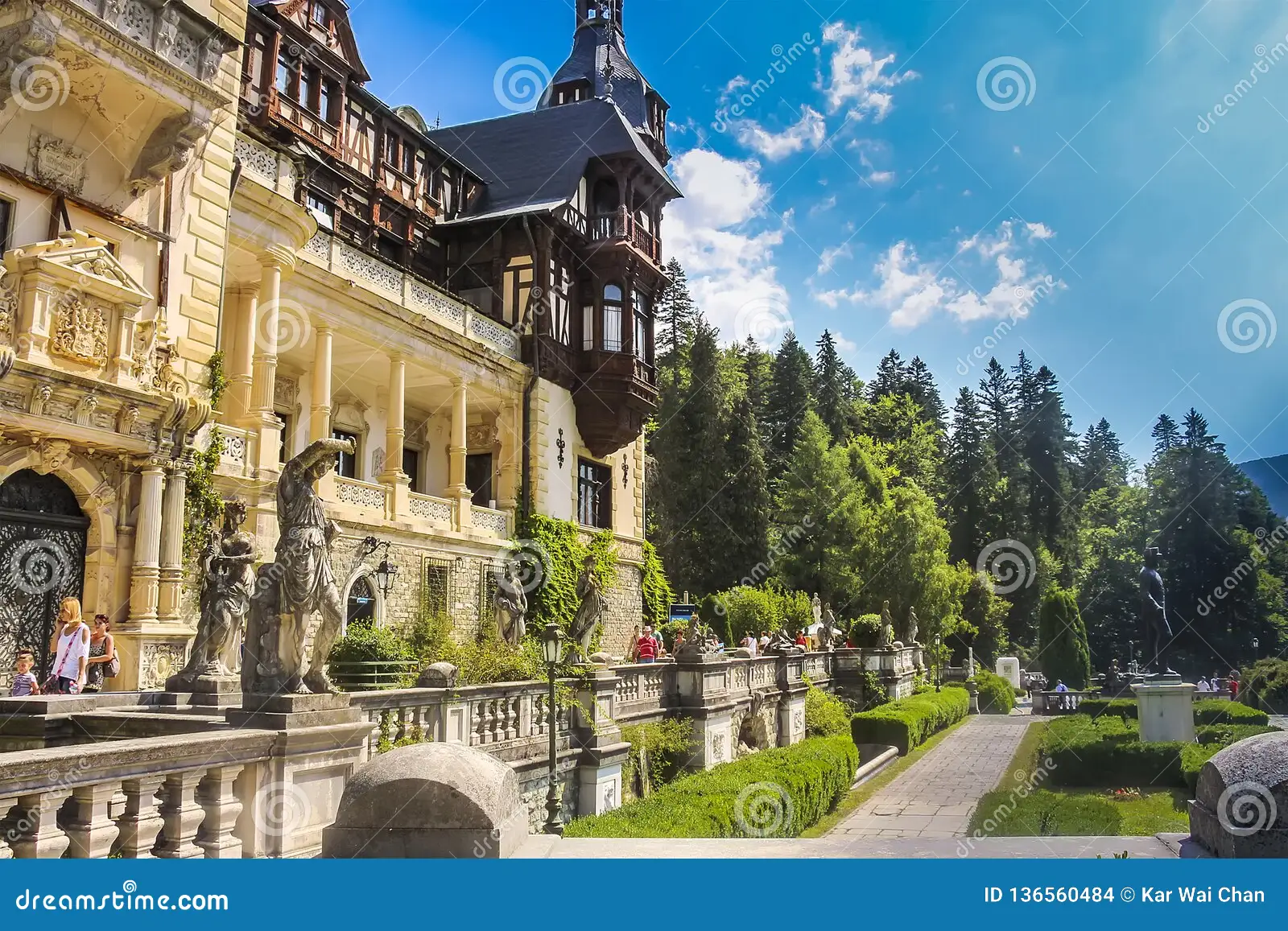
Stand in the center of the cobbled inner courtyard to frame the timber-and-fresco facade rising on all sides, with hand-painted murals and dark wood fachwerk detailing above the arcaded walkways. This is the classic shot most Peles Castle Tickets holders capture right after entering the estate, since the courtyard sits between the ticket checkpoint and the main entrance.
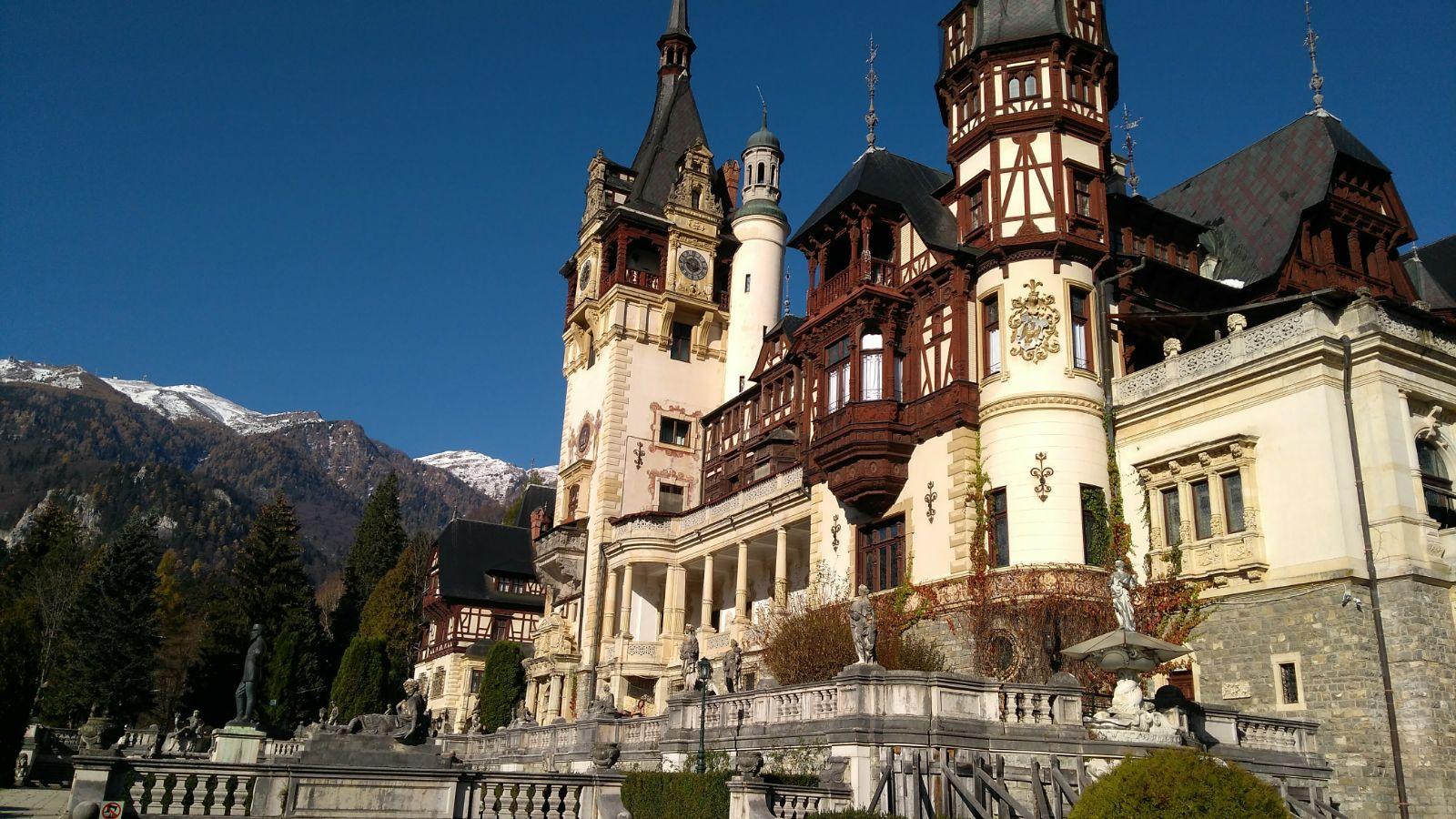
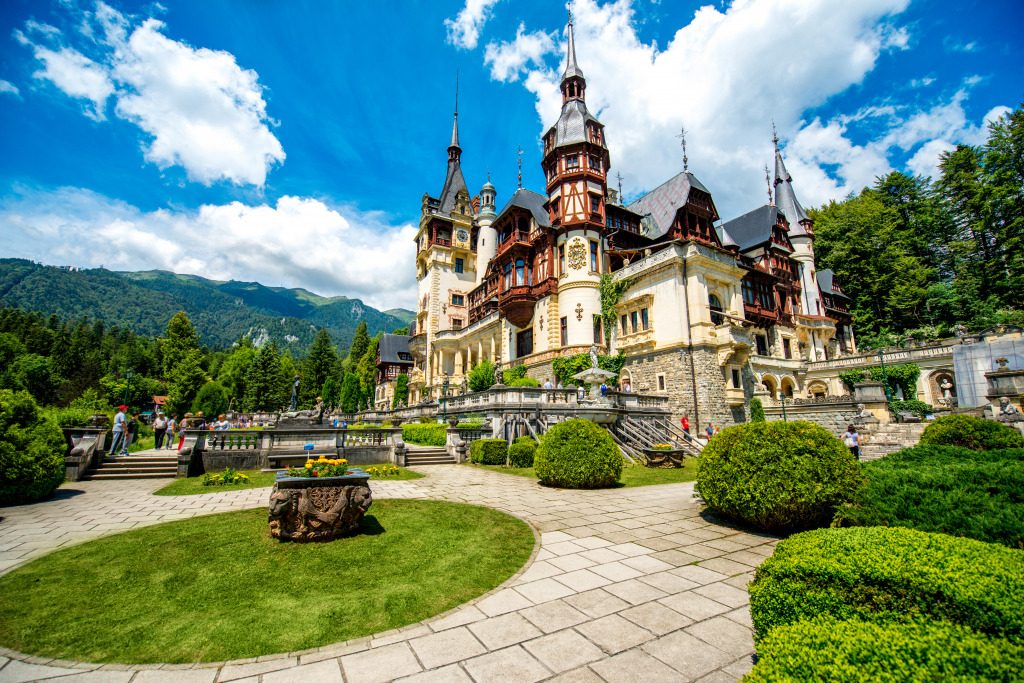
Climb the stepped Italianate terraces south of the main building for a tight angle on the turrets and spires framed by clipped hedges, marble urns, and fountains. Shoot from the lower terrace looking up for the most dramatic vertical lines, away from the main gate crowds.
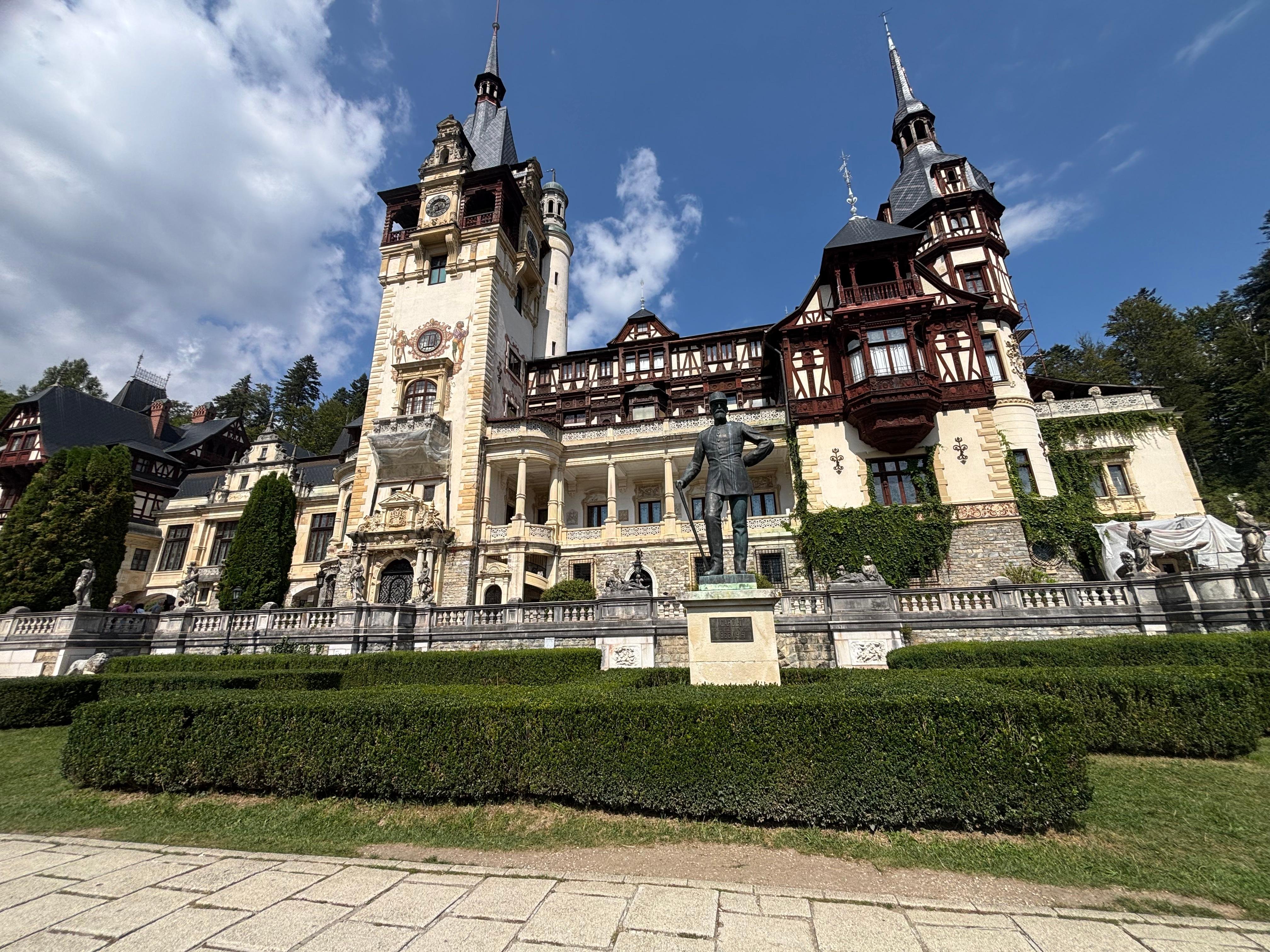
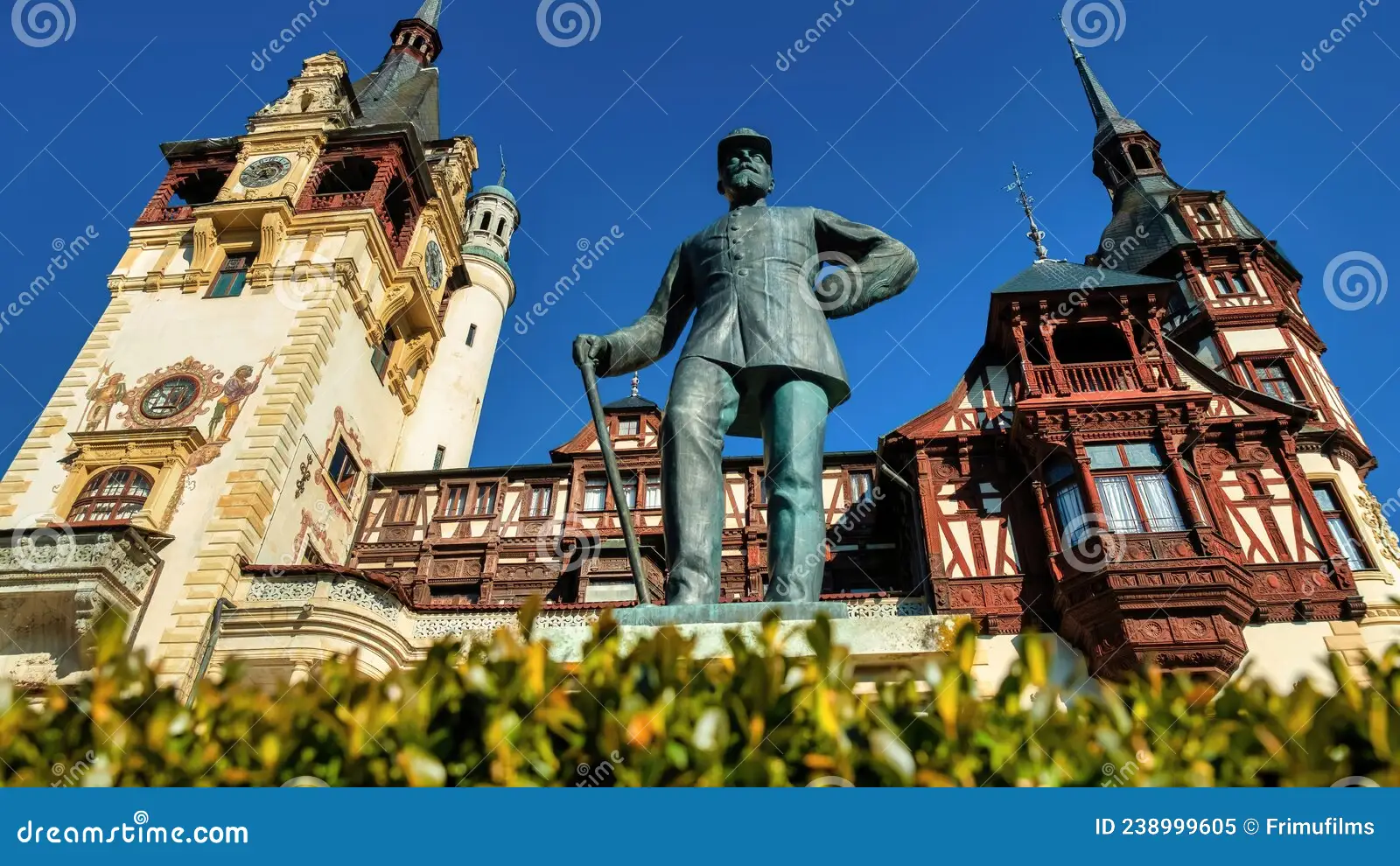
The marble statue of King Carol I on its raised plinth overlooks the main approach and makes a strong foreground for a low-angle shot with the castle towers behind. Position yourself a few steps below the statue base to keep both subject and roofline in frame.
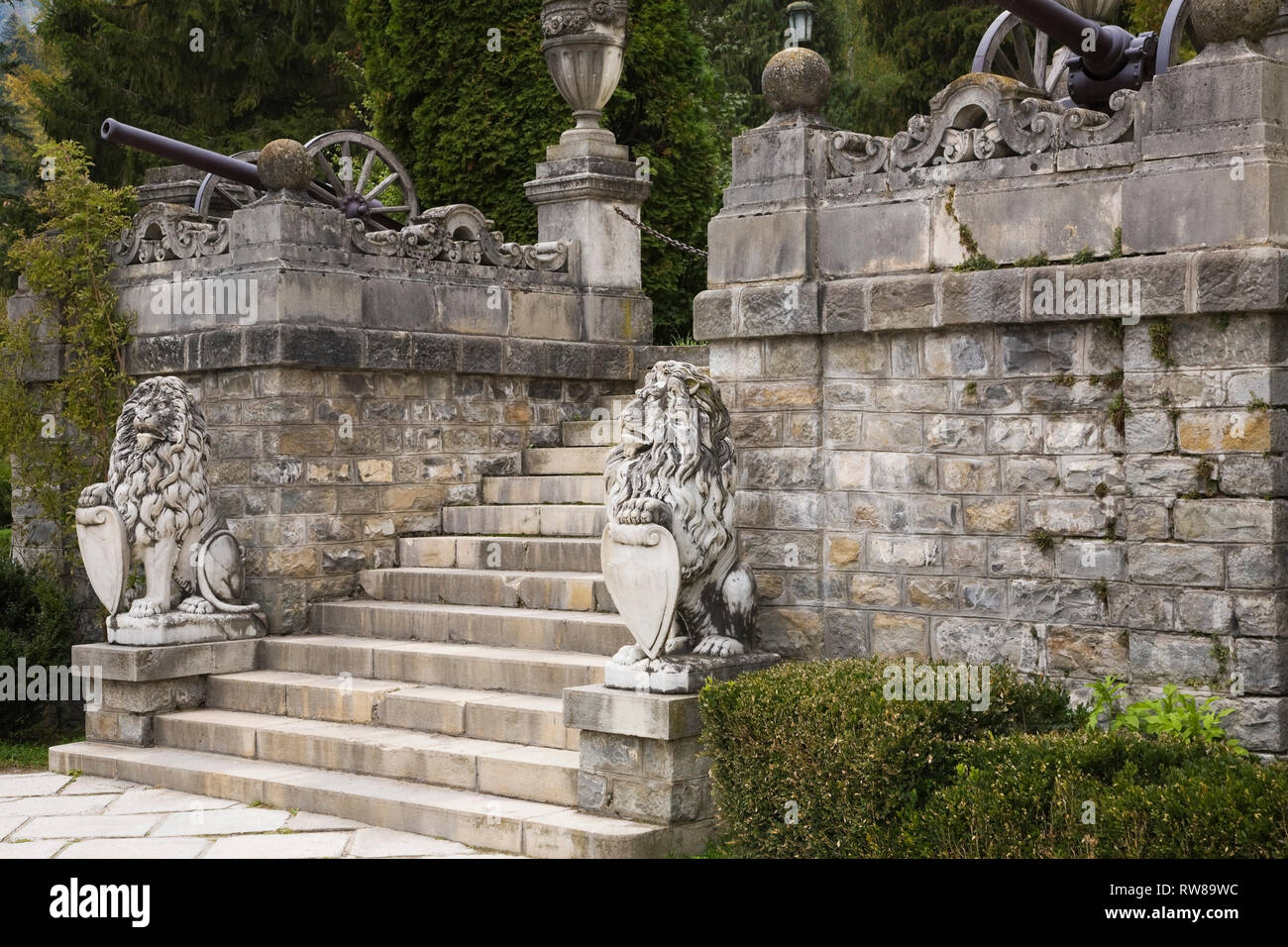
A stairway flanked by carved marble lion statues connects the garden terraces and gives a symmetrical corridor shot leading the eye toward the castle. Kneel at the base of the steps for a straight-on framing.
A grassy meadow pull-off marked on Google Maps near the Sinaia street market gives a full wide shot of the castle with the Bucegi Mountains rising behind it, useful for anyone wanting the whole silhouette rather than architectural detail. It sits a short walk from the main gate and works well before joining a Peles Castle Tickets tour to avoid backtracking later.
A quieter gravel path along the rear terraces, away from the main entrance queue, offers side-on views of the towers through trees and is far less crowded than the front approach. It suits a slower Peles Castle Sinaia tour pace for detail shots of windows and rooflines.
Peles Castle Tickets get families onto a fixed guided-tour timeslot through the castle's ornate rooms, so the rhythm of a visit here is dictated by the group in front of you rather than your own kids' pace.
The interior tour suits children roughly 6 and up, since younger kids often struggle with an hour of standing and listening indoors; toddlers do better exploring the outdoor courtyards and terraces instead.
The approach from the ticket area crosses uneven cobblestone courtyards, and the guided route inside climbs several staircases, so sturdy closed shoes matter more than a stroller for anyone under school age.
Because entry moves in scheduled batches, arrive for your slot rather than wandering off, and expect roughly an hour indoors; build in slack afterward rather than trying to rush a Peles Castle Tickets tour against the next group.
Use the manicured gardens and fountains as the release valve after the indoor tour, letting kids move freely before deciding whether they still have energy for Pelisor next door.
If little legs are fading, treat Pelisor as optional rather than mandatory; a shorter Pelisor Castle guided tour works better as a second stop only when the garden break shows the kids still have steam left.
Booking the earliest available slot keeps the courtyards and stairwells less congested with tour groups, which matters more for families than for solo visitors navigating narrow passages with children in tow.
Eating options right at the estate are limited, so most people visiting with Peles Castle Tickets either grab something quick on the grounds or walk into Sinaia town for a proper sit-down meal. There's no dining inside the castle itself, but the walk from the gates down to the alley is lined with a few solid choices.
German-Romanian menu right by the castle grounds, known for schnitzel, sausages and a well-reviewed apple strudel. It fills up fast with tour groups at lunch, so aim for an early or late sitting if you want a table on the terrace.
A modest on-site spot serving coffee, baguettes, hot snacks and cakes, with outdoor seating in summer. Good for a fast bite before or after a Peles Castle Tickets tour rather than a full meal, since indoor seating is limited.
Set in a former Royal Guard building across from the castle, this cafe-restaurant is convenient for coffee and cake with a castle view, though reviews on food consistency vary.
A relaxed, homestyle bistro on Bulevardul Carol I serving goulash, tagliatelle and Romanian classics at fair prices. Worth the trip into town for a fuller Peles Castle Tickets tours day out, especially with mountain-view terrace seating.
Real experiences from real travelers
We reached the courtyard just after ten and the light was already hitting the painted gables. The amount of carved walnut inside the Hall of Honour is hard to process on a first pass. Buying Peles Castle Tickets in advance meant we walked straight past a queue that had already curled around the fountain.
Coming up from the city, the temperature drop in Sinaia was noticeable — a light jacket was welcome even in May. The spruce forest around the castle smells of resin and the towers appear through the trees before you reach the terrace. Our Peles Castle Tickets tour guide spoke clearly and kept the group tight in the narrower corridors.
The retractable glass ceiling above the central hall was the detail I kept thinking about afterwards. Late morning light came through it in colours across the alabaster reliefs. Shoe covers are handed out at the entrance, which slowed things down a little but nobody minded.
The uphill path from the parking area is about fifteen minutes on cobbles, so proper shoes help. Peles Castle Tickets were straightforward to collect, though the courtyard was crowded by midday and photographing the façade without people took patience. The armoury rooms were the highlight for my partner.
We came in early July and the terraces were warm while the interior stayed cool. Castelul Peleș looks almost Bavarian from certain angles, which makes sense once you hear about who built it. The marble statues on the lower garden levels are worth a slow loop.
Standing on the terrace with the Bucegi ridgeline behind the spires is the image that stayed with me. Peles Castle Tickets tours in English were available at reasonable intervals and our guide handled questions well. The whole valley smelled of pine after a short afternoon rain.
Snow on the roofs and very few people in February — a completely different atmosphere from the summer photos. The Sinaia castle tour covered the ground floor thoroughly and the guide pointed out the early electrical fittings. Hands got cold waiting outside, so gloves are sensible.
What struck me was the density of craftsmanship rather than sheer scale — every doorframe and ceiling panel is carved. Our Peles Castle Tickets tickets included the upper floor, which had fewer people and better views down into the courtyard. Photography rules are posted clearly at the desk.
Late autumn turns the surrounding forest orange and the castle sits in it beautifully. Among Romanian landmarks this one draws the biggest crowds, and even off-season the courtyard filled up by noon. The theatre room with its Klimt-influenced decoration surprised me.
We drove up from Brasov and the Prahova Valley road was scenic the whole way. A skip-the-line Peles Castle entry saved us most of an hour on a hot August morning. Bring water — there is not much shade on the terraces before the trees start.
Everything you need to know for your journey
Peles Castle is closed Monday and Tuesday, open 10:00–17:00 on Wednesday, and 09:15–17:00 Thursday through Sunday.
The ground floor is step-free and covers most of the standard tour, but upper floors have limited access due to the historic layout and restricted elevator coverage.
Large backpacks, suitcases, drones, tripods without a permit, and food or drink are not allowed inside the interior; bags are checked at the entrance gate.
Yes, a separate photography permit must be purchased at the ticket counter before entering, and flash photography is never permitted.
Arriving during the 09:15–10:30 window offers the thinnest crowds, before tour groups arrive later in the day.
No strict dress code applies, but flat, comfortable shoes are recommended since visitors wear provided shoe covers over original wood floors that can be slippery.
Eating and drinking are not permitted inside the castle's rooms and galleries, though visitors can finish snacks in the outer courtyard before entering.
Take a train from Bucharest's Gara de Nord to Sinaia station, roughly 75–90 minutes, then walk uphill through the town park or take a short taxi to the gate.
Yes, children generally enjoy the themed rooms such as the Turkish Salon and Moorish Room, though strollers are impractical on the interior stairs.
Standard admission at 100 RON per person is generally non-refundable once issued, though online timed-entry bookings can often be rescheduled if changed at least 24 hours ahead.
Pelișor Castle sits a short walk away within the same estate and pairs naturally with a Peles Castle visit, along with Sinaia Monastery nearby.
Standard adult admission to the main castle is 100 RON per person.
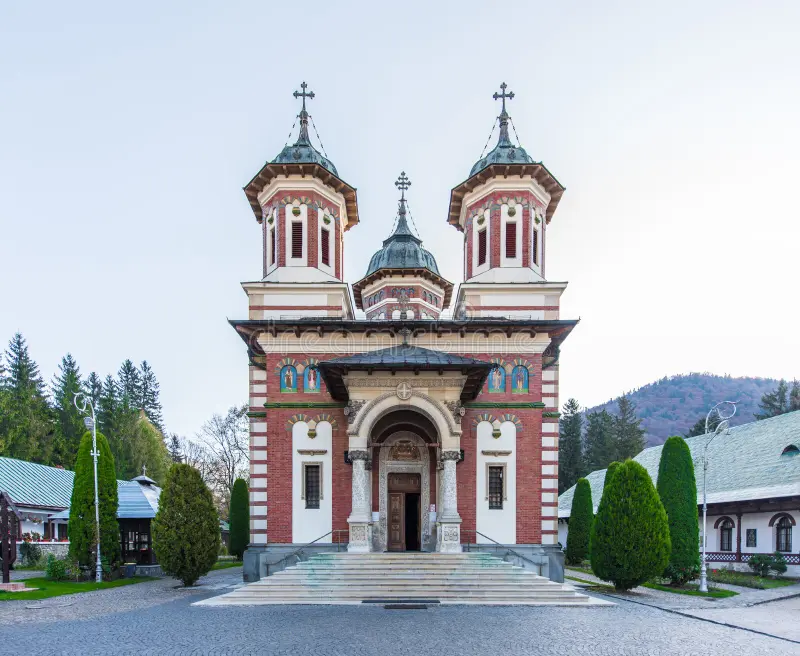
A 17th-century Orthodox monastery about 1 km from the castle, founded by nobleman Mihail Cantacuzino and named after Mount Sinai.
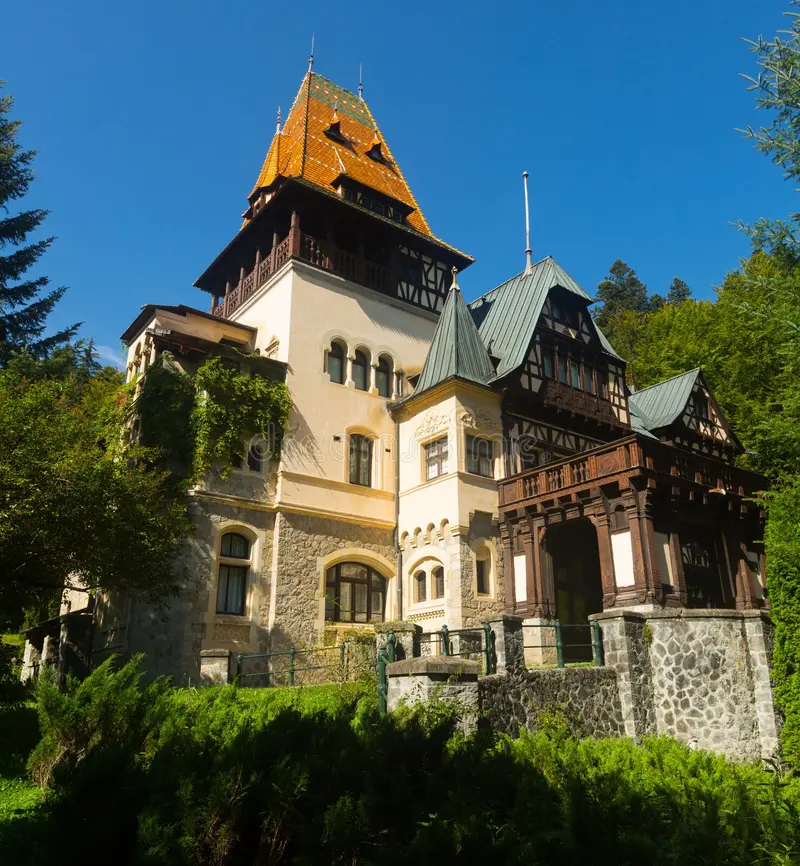
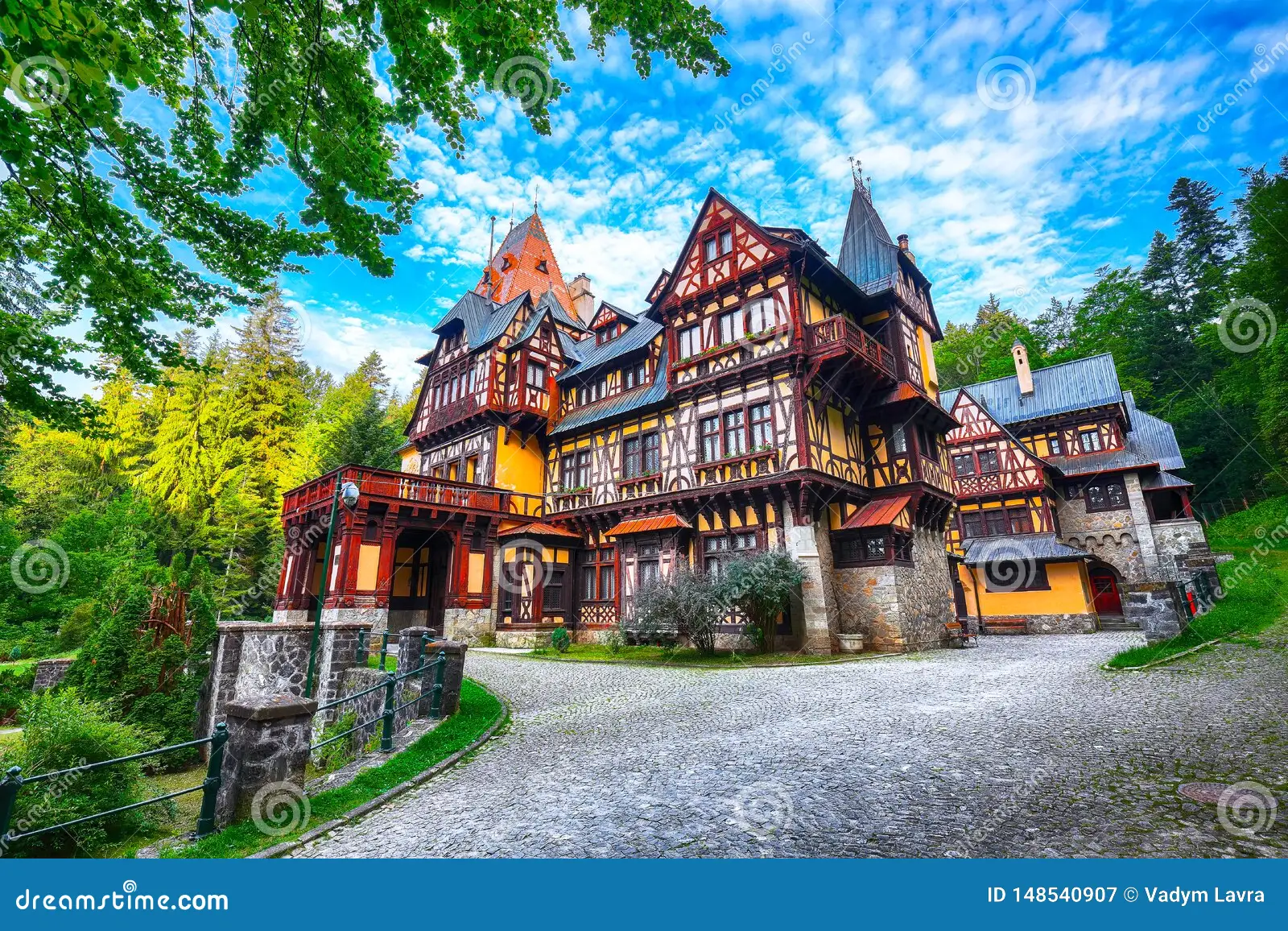
A smaller Art Nouveau royal residence within the same estate, built for Crown Prince Ferdinand and Queen Marie.
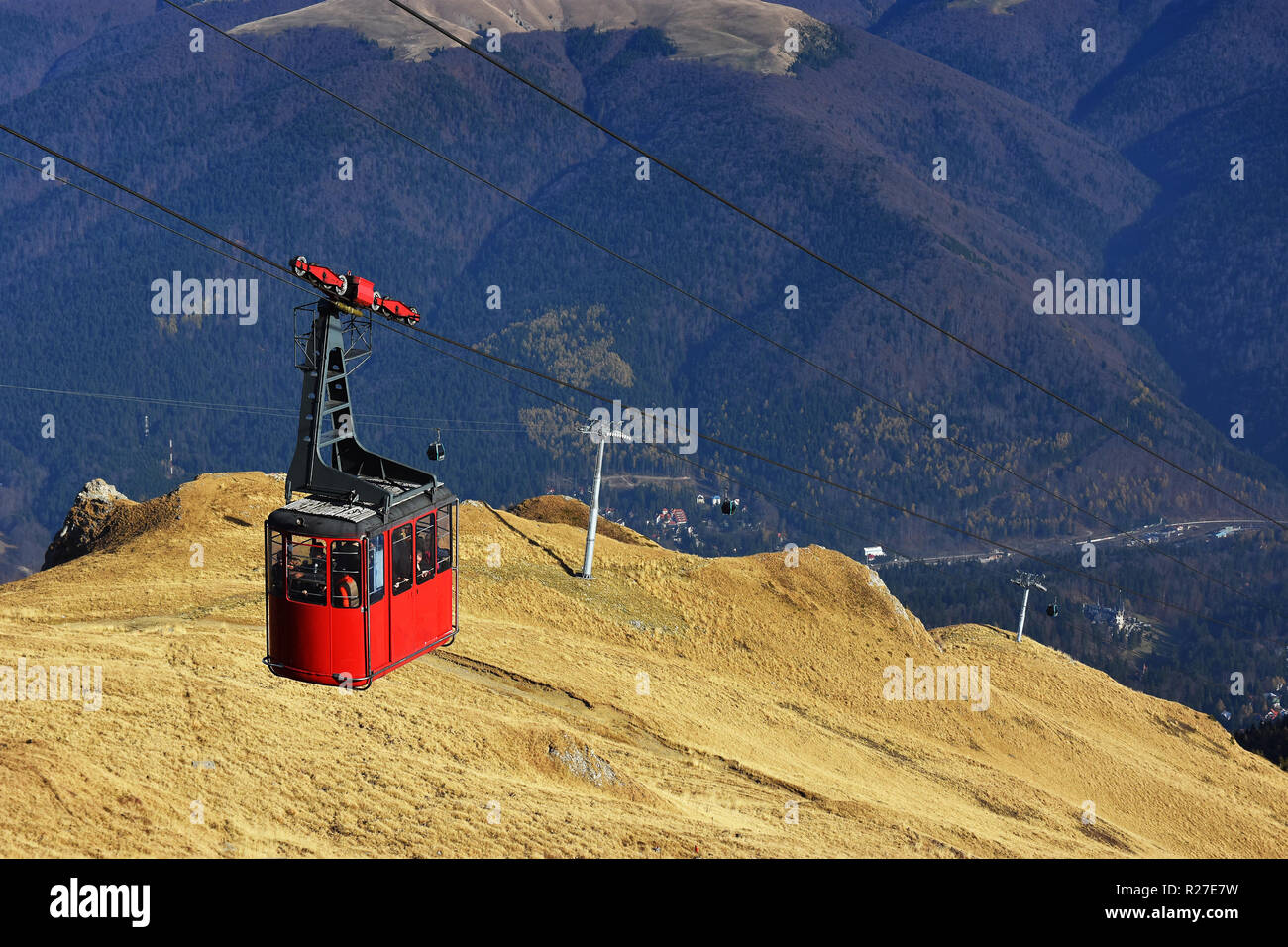
Romania's highest-altitude cable car, rising into the Bucegi Mountains above the town.
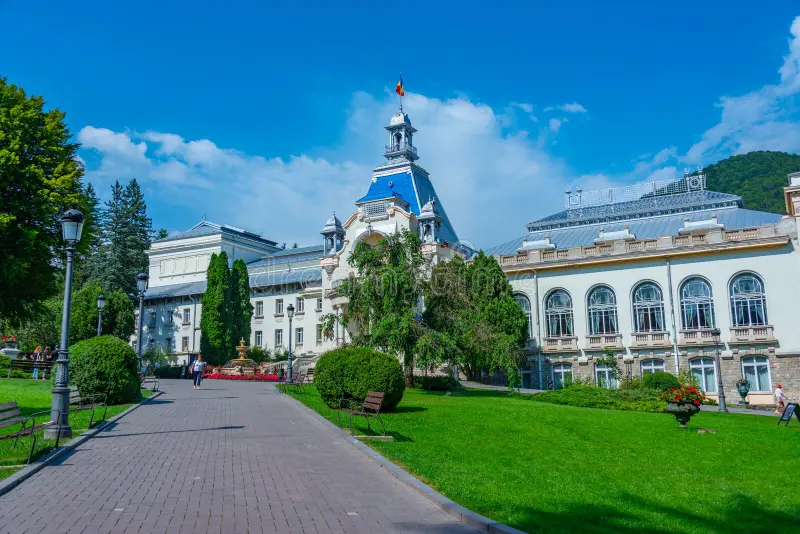
A restored early-20th-century casino building in the town center, notable for its Neoclassical facade.
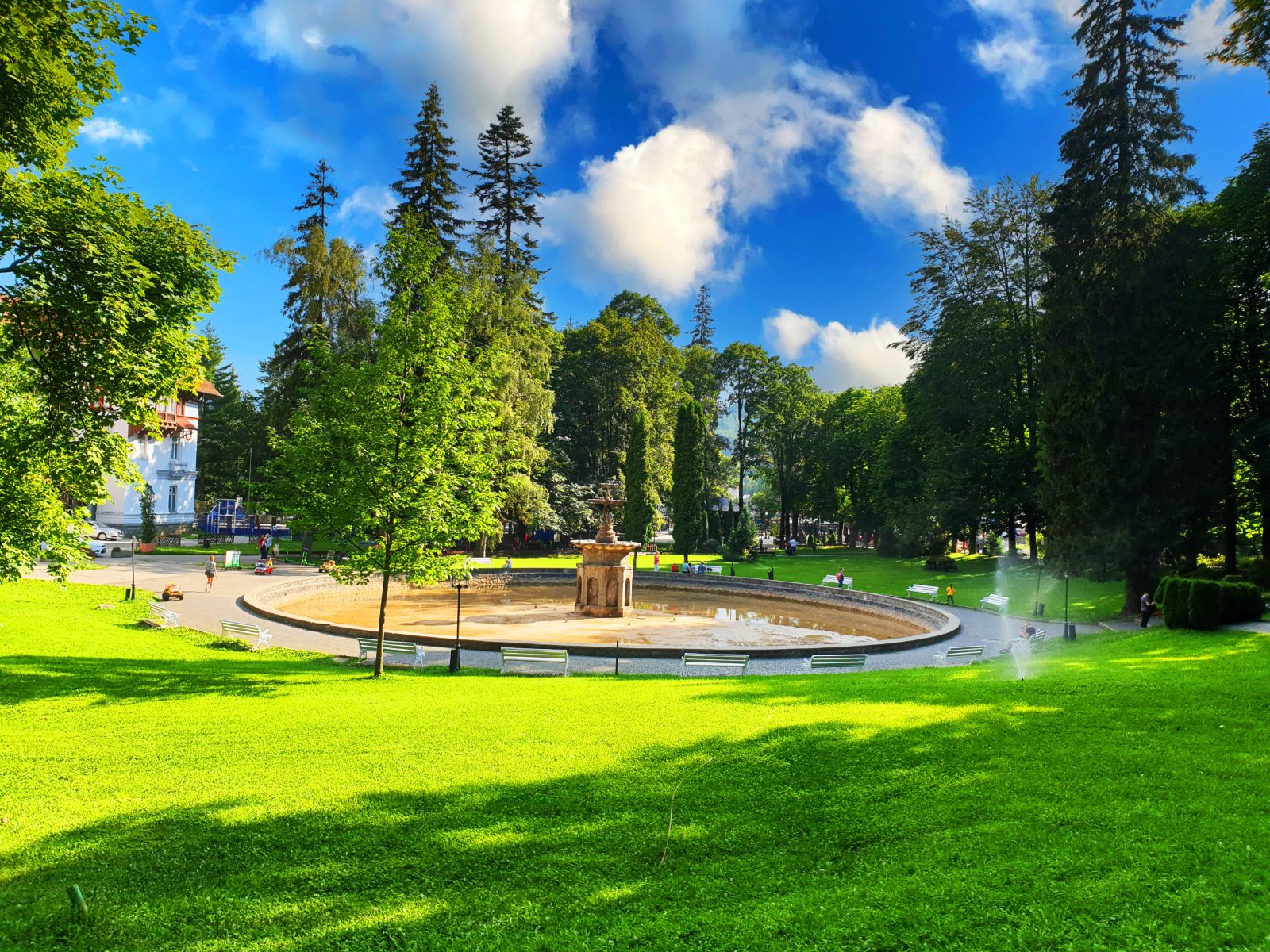
A wooded town park with walking paths connecting the train station area toward the castle grounds.
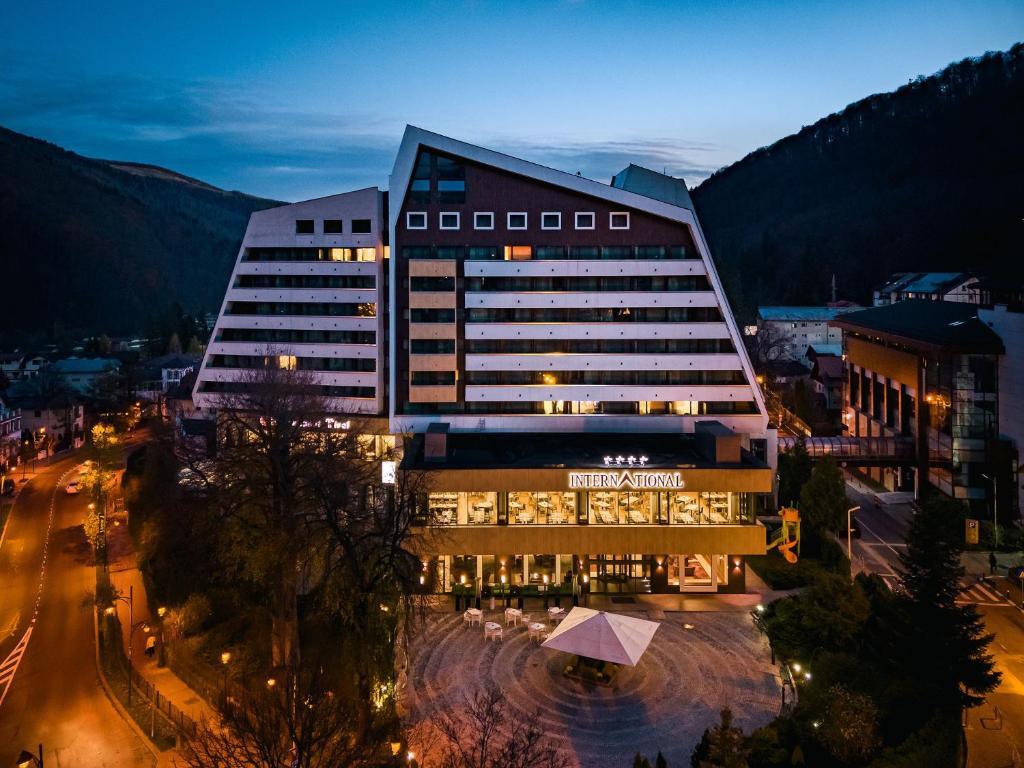
A centrally located hotel near the train station with an underground parking facility used by castle visitors.
A cluster of guesthouses and boutique hotels along the main street, within easy walking distance of both the station and castle.
Smaller lodges and pensions scattered on the wooded slopes above Sinaia, popular with hikers combining a castle visit with mountain trails.
Join thousands of happy travelers who have discovered this incredible experience
Book Your Experience Now